
Just a heads up: Some of the links on this page are affiliate links, meaning I may earn a commission if you book through them (at no extra cost to you). Your support helps me keep Rachel IRL going, so thank you! To read more, please see my affiliate disclosure.
Last updated April 2026.
I regularly update my guides to keep them current and genuinely useful!
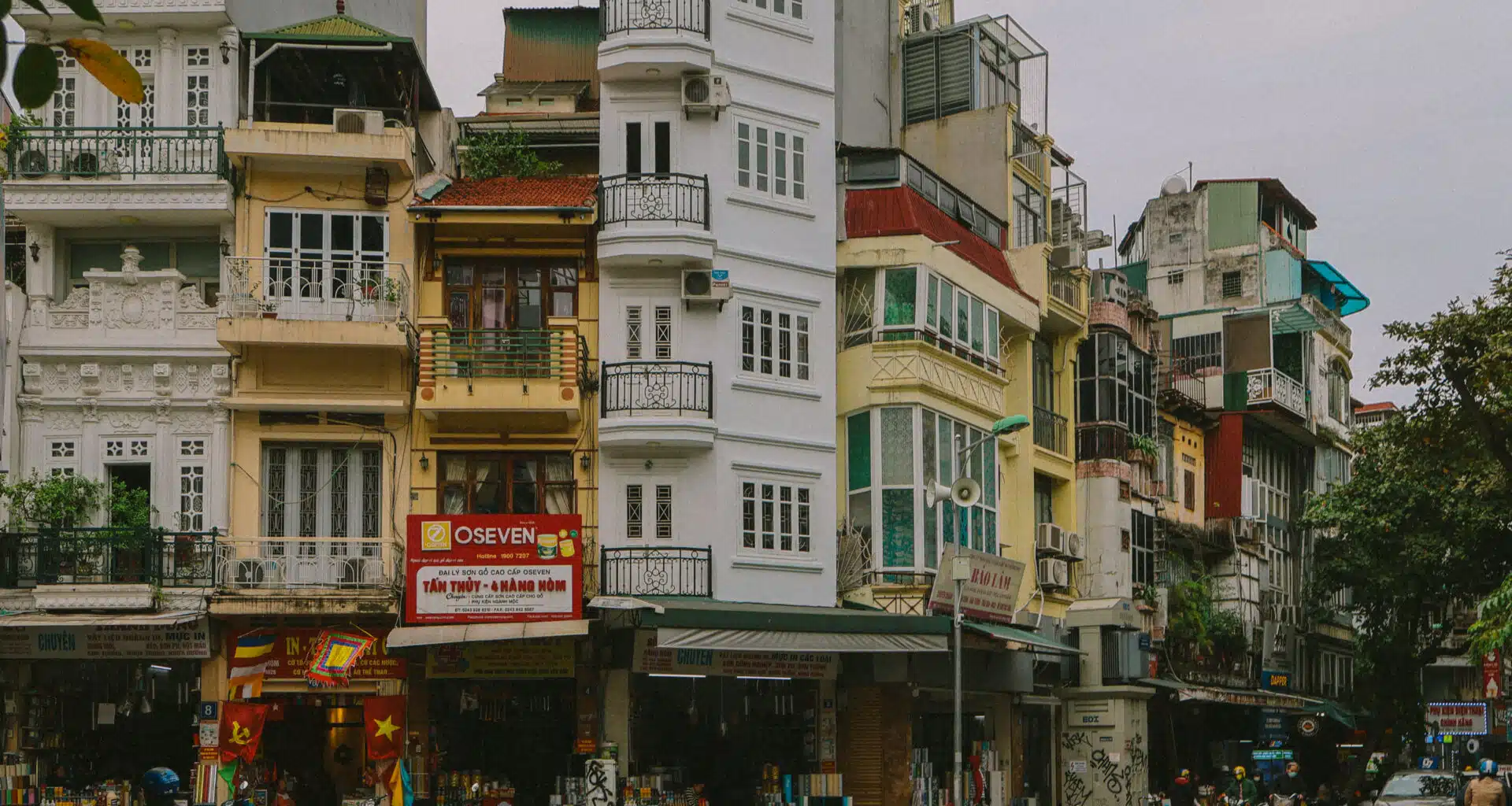
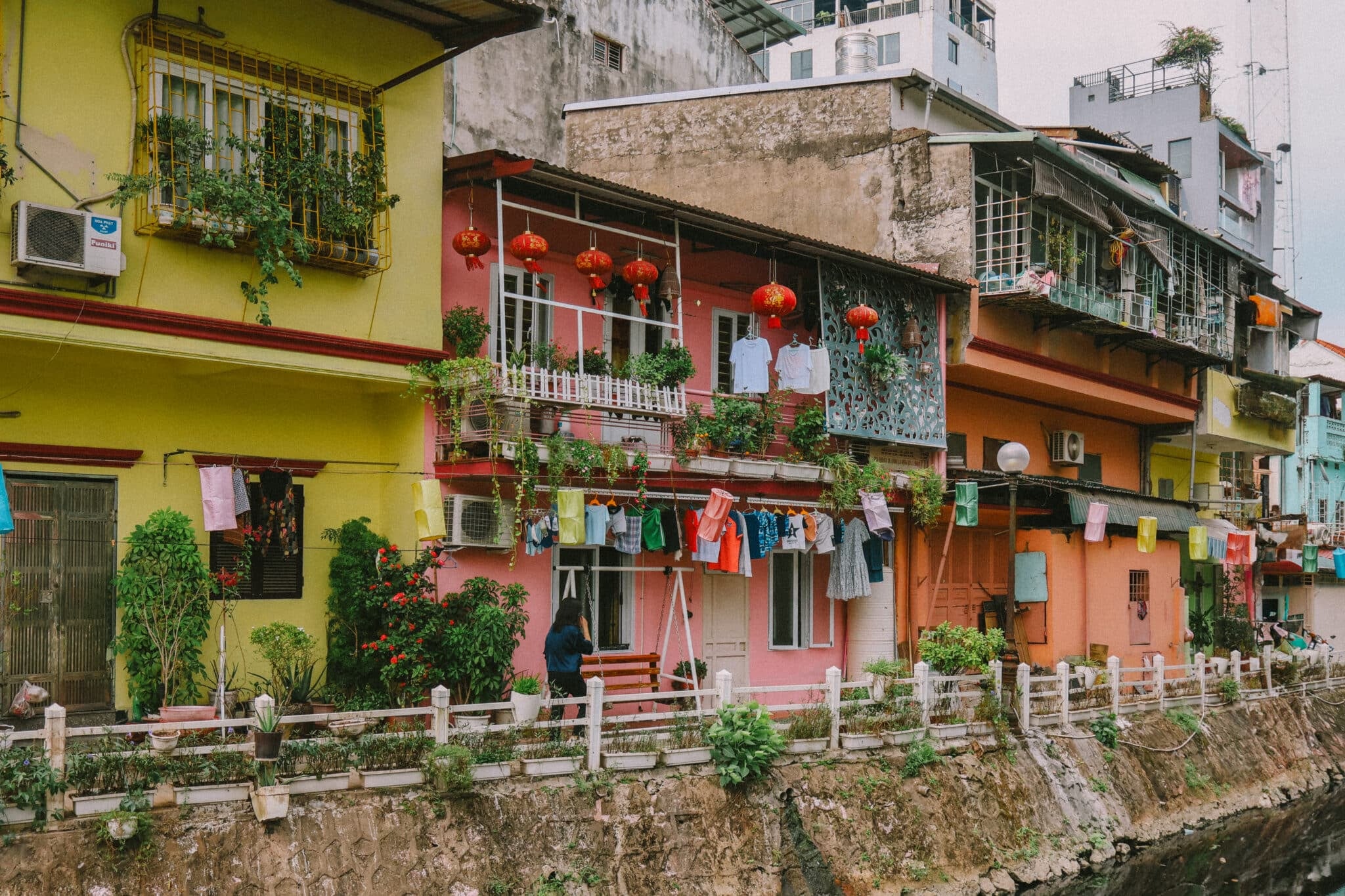
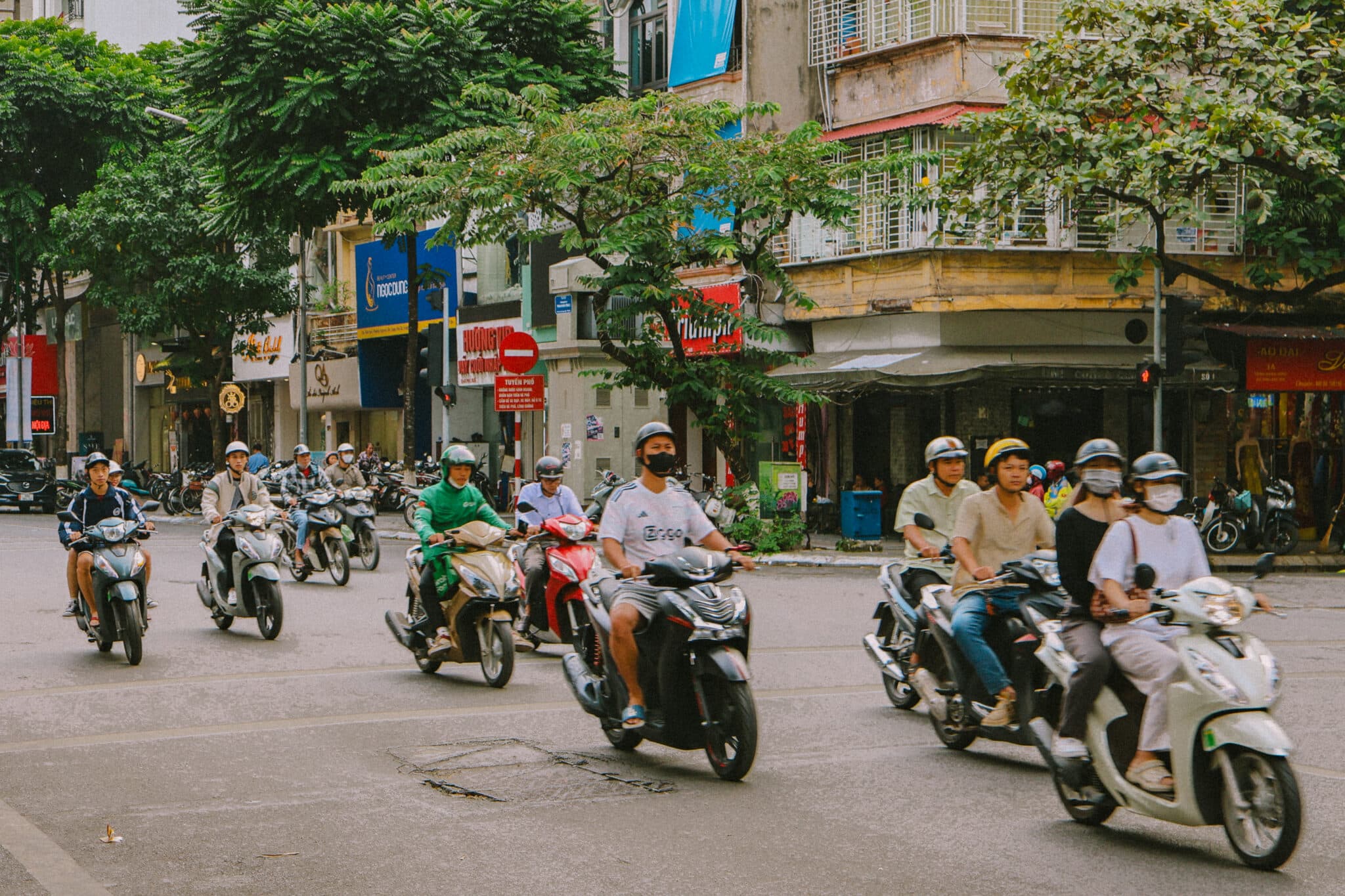
In a lot of ways Hanoi was exactly what I expected of it. Hectic. Loud. Crowded. An assault on the senses. Friendly. Beautiful. Dirty. Charming. Delicious. I could keep going.
But somehow, it was also nothing like I could have anticipated. Nothing could have prepared me for the incredible energy of Vietnam’s capital. The unbelievable kindness of the people that live there. The incredible flavors on every corner. The way it feels like you could spend a lifetime exploring and not even scratch the surface.
Maybe it’s because this visit was my first deep dive into Southeast Asia, but I left feeling like Hanoi truly is a special place. I felt so safe in Hanoi, even crossing its death defying cross walks (more on those and everything else you need to know to navigate Hanoi coming soon).
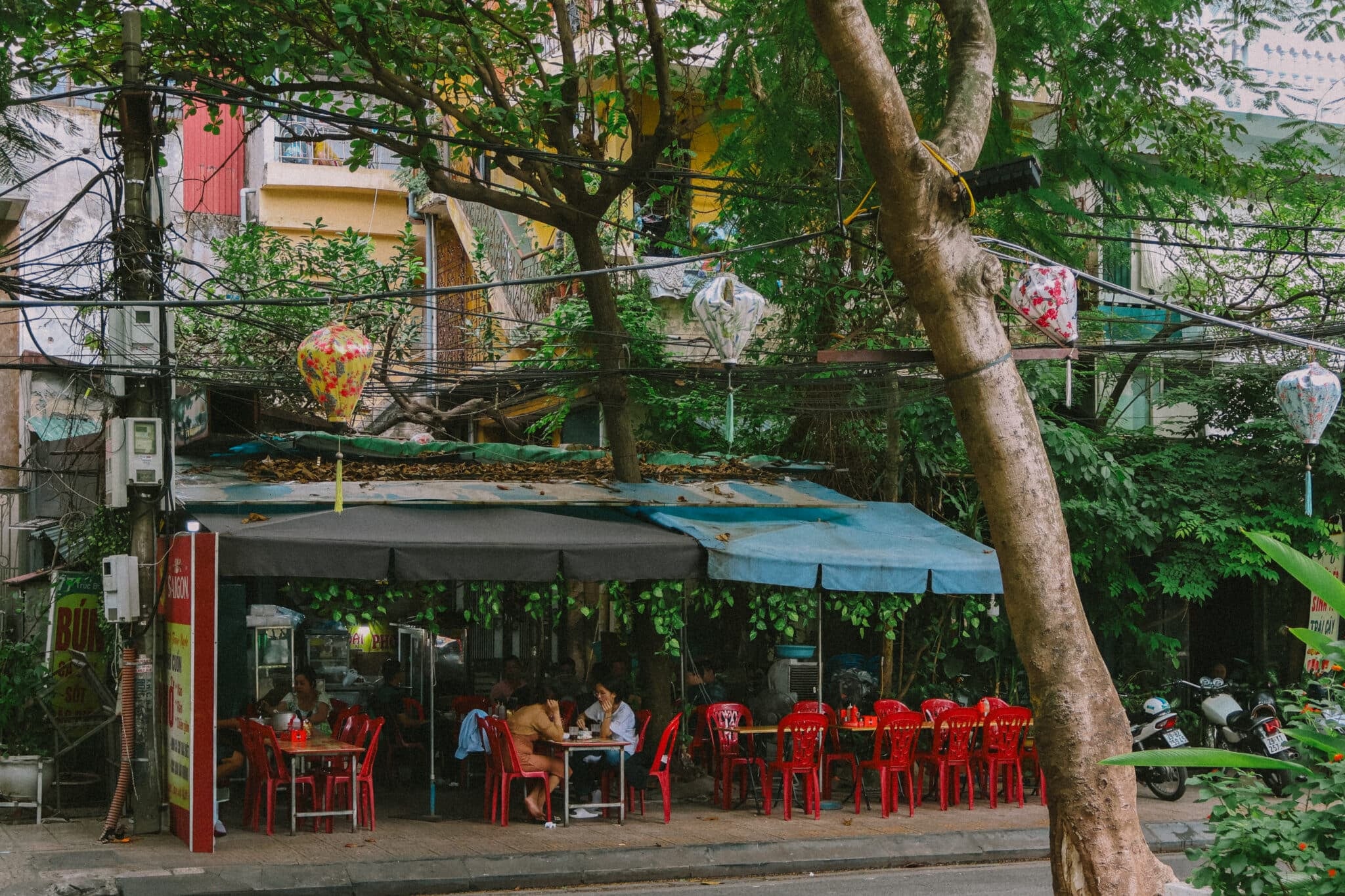
It’s the kind of place where you feel a spark, like when you meet someone and you know you’re going to fall for them. At least, that’s what happened to me!
From the city’s incredible history to the stunning views and amazing food and endless shopping, Hanoi has hidden gems for everyone. Whether you’re settling in for several days to explore off the beaten path and eat like a local, or just passing through the Old Quarter before side trips to Ha Long Bay, Ninh Binh, Ha Giang or Sapa, there’s no shortage of unforgettable things to do in Hanoi.
- 11 Best Things to Do in Hanoi, Vietnam
- 1. Start Your Day with Hanoi’s Famous Egg Coffee
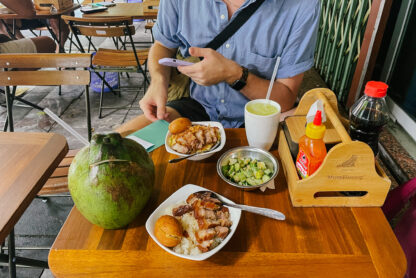
- 2. Eat Your Way Through Hanoi’s Street Food Scene
- 3. Explore Hanoi’s Neighborhoods (& Get Off the Beaten Track!)
- 4. Visit Hanoi’s Most Famous Historic Sites
- 5. See the Famous Hanoi Train Street
- 6. Visit Hanoi’s Best Museums
- 7. Explore Hanoi’s Best Markets
- 8. Shop Hanoi’s Indie Stores, Vintage, and Local Designers
- 9. Cycle West Lake, Grab a Drink and Watch the Sunset in Truc Bach
- 10. Experiences
- 11. Take a Day Trip from Hanoi
- Where to Stay in Hanoi
- When to Visit Hanoi
Planning your Hanoi adventure?
Here’s a mini guide to help you plan a perfect stay!
Where to stay:
How to get around:
Things to do:
Stay connected:
More on Hanoi:


Delve into Vietnam
Don’t forget to check out the rest of my Vietnam posts and guides if you’re still planning your perfect trip!
11 Best Things to Do in Hanoi, Vietnam
Real Talk:
Vietnam—like so many parts of Southeast Asia—is feeling the pressure of overtourism. And while I want to believe that if you’re here on my blog, you’re the kind of traveler who cares about leaving places better than you found them… I still have to say it:
Don’t be an asshole when you travel. Not in Vietnam, not in Southeast Asia, not anywhere.
I’ve seen too many visitors treat locals like background characters or behave like the region exists solely for their vacation. So here’s your friendly-but-firm reminder:
If you’re going to make locals’ lives harder, just stay home.
1. Start Your Day with Hanoi’s Famous Egg Coffee
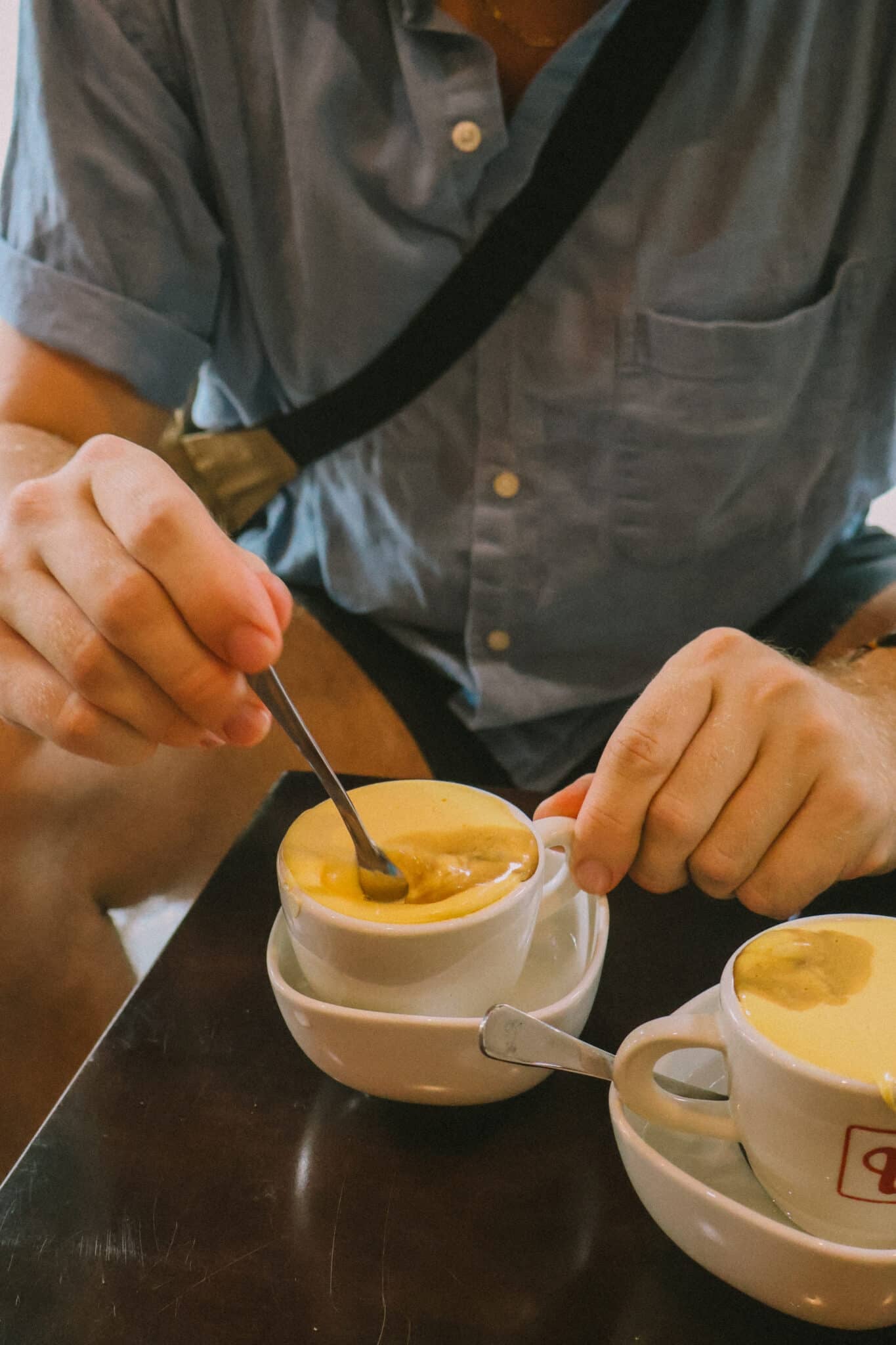
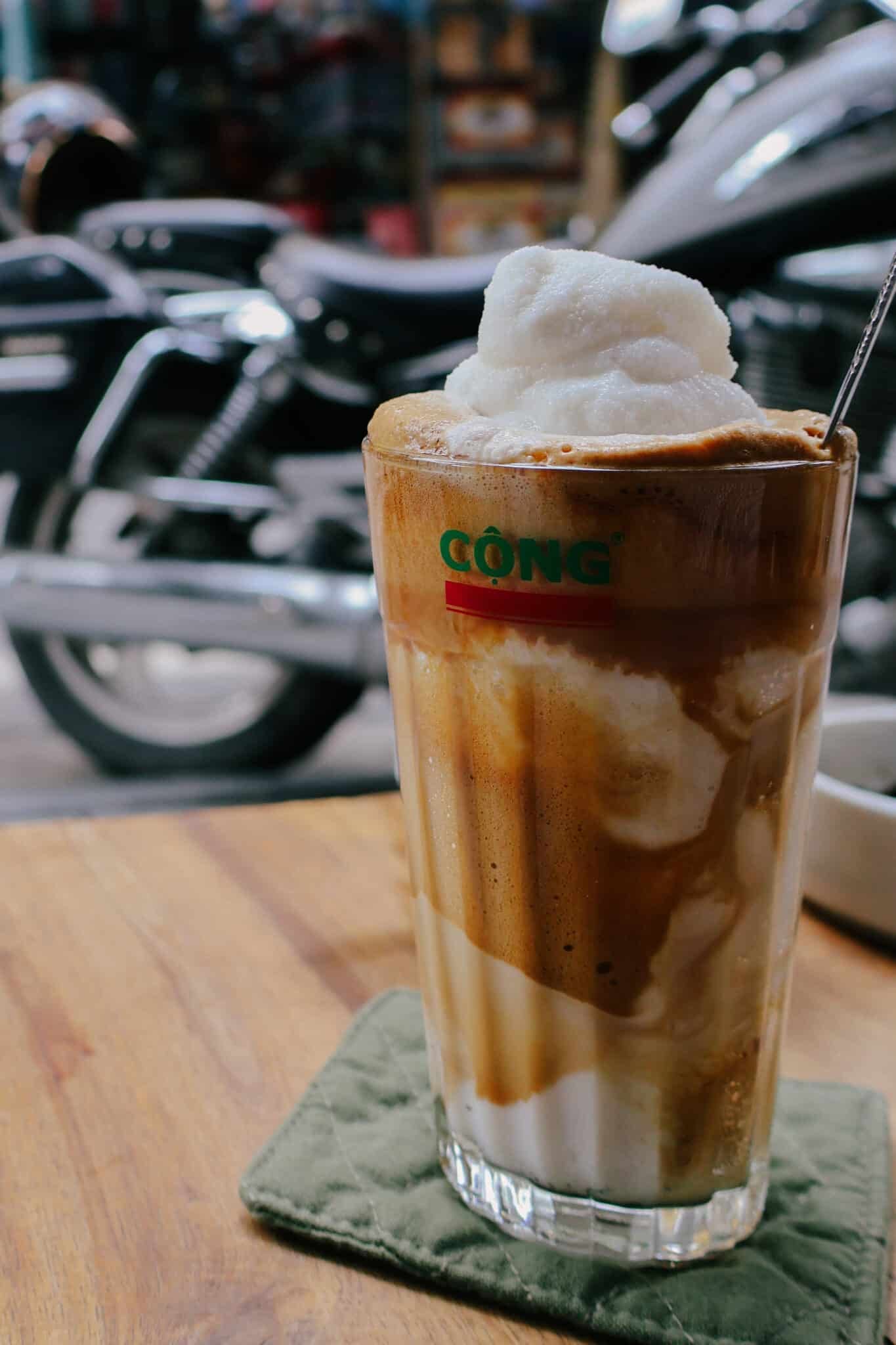
Ok, so this one might be a little touristy. If you’ve read a single other blog post, watched even one or two Reels, or known anyone who’s been to Hanoi, you’ve probably already heard of the most famous coffee drink in Hanoi: egg coffee.
It’s a Hanoi classic, apparently invented during a dairy product shortage in the 1940s as Vietnam fought for independence from France. Yes, it features an actual egg yolk, whipped together with condensed milk and sugar.
I’ll be honest, Vietnamese egg coffee wasn’t my favorite, but it definitely isn’t as weird as the name lets on either.
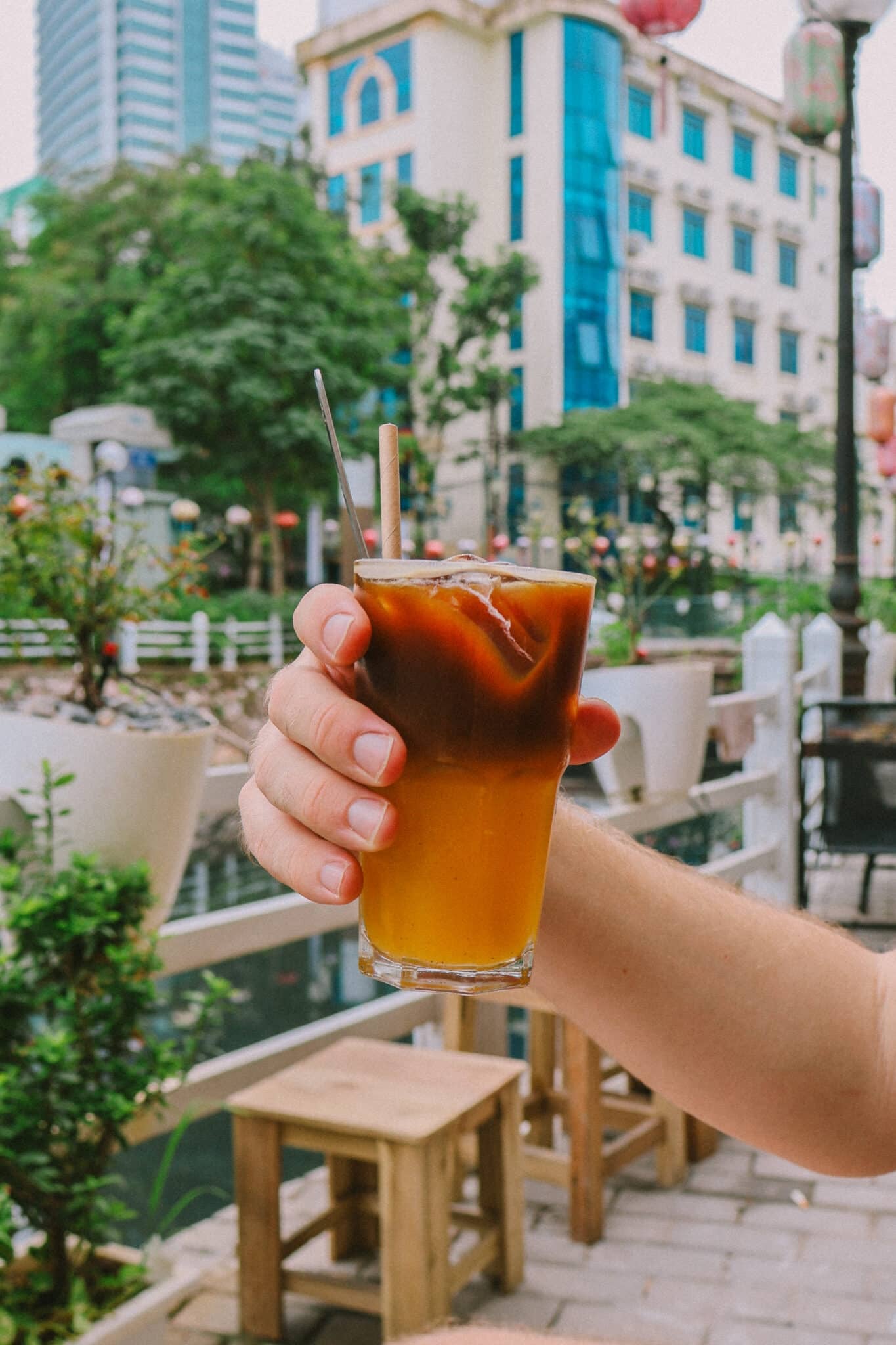
So why do I put this section first on my list of non-touristy things to do in Hanoi?!
Because there’s a super strong coffee and cafe culture in Hanoi, and taking part in it is indeed one of the most local things you can do while exploring the city! It felt like I was always having a beverage in Vietnam, and there are cute cafes everywhere… so you never have to worry about where you’re going to find your next caffeine hit. If anything you might need to worry about how to not overdo it!
Want to Dive Deeper into Vietnamese Coffee?
I loved café-hopping around Hanoi, but if you want to go deeper Vietnam’s coffee culture, a hands-on workshop is a fun way to do it. In this Hanoi coffee workshop, you’ll learn how classic drinks like egg coffee, salt coffee, and phin-brewed coffee are made—and taste several along the way.
👉🏽 Check availability & book your Hanoi coffee workshop →
My personal favorite type of coffee drink in Hanoi was the coconut coffee, especially from Cong Coffee. If we’re being honest, it’s basically a coffee milkshake made with coconut milk, but Jesus it’s amazing. I would take a coconut coffee over an egg coffee any day of the week!
Then of course there’s the classic Vietnamese iced coffee, which is made with condensed milk and is about as caffeinated as jet fuel, among many other experimental coffee drinks that you will surely feel compelled to sample as you caffeinate your way across the city.
If a coffee workshop sounds like your kind of activity, here are a few other Hanoi coffee experiences worth checking out:
2. Eat Your Way Through Hanoi’s Street Food Scene
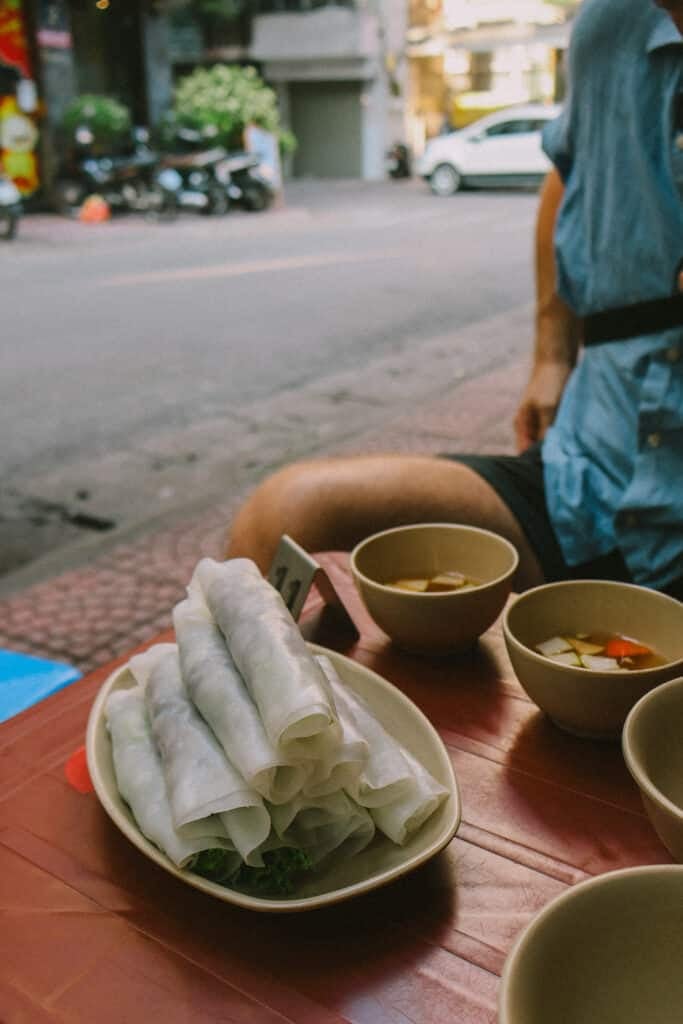
If you, like me, believe that one of the best parts of traveling is getting to try all kinds of new foods then I won’t need to convince you of why this is one of THE best things to do in Hanoi. Vietnamese food is insanely good, and of course you’ll be able to try a lot of it during your trip to Hanoi.
You’ll want to check out my what to eat in Hanoi post (coming soon) for the full guide of the dishes I recommend the most, but I’ve got top two local recs for you beyond the pho and bun cha you may already be familiar with: pho cuon and cha ca.
Honestly, the best way to sample a lot of Hanoi’s street food in one night is to join a Hanoi street food tour. This is something we didn’t prioritize and one of my only regrets about our time in Hanoi.
Explore Hanoi’s Street Food with a Local Guide
If you want to dive into Hanoi’s incredible street food scene without worrying about where to go or what to order, this Hanoi street food walking tour is a fantastic way to do it. You’ll get:

Planning Cheat Sheet: Every Link You Need in One Place
P.S. When you book using my links, you help support Rachel IRL at no extra cost to you. It’s a win-win!


3. Explore Hanoi’s Neighborhoods (& Get Off the Beaten Track!)
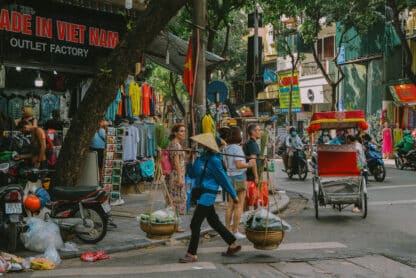
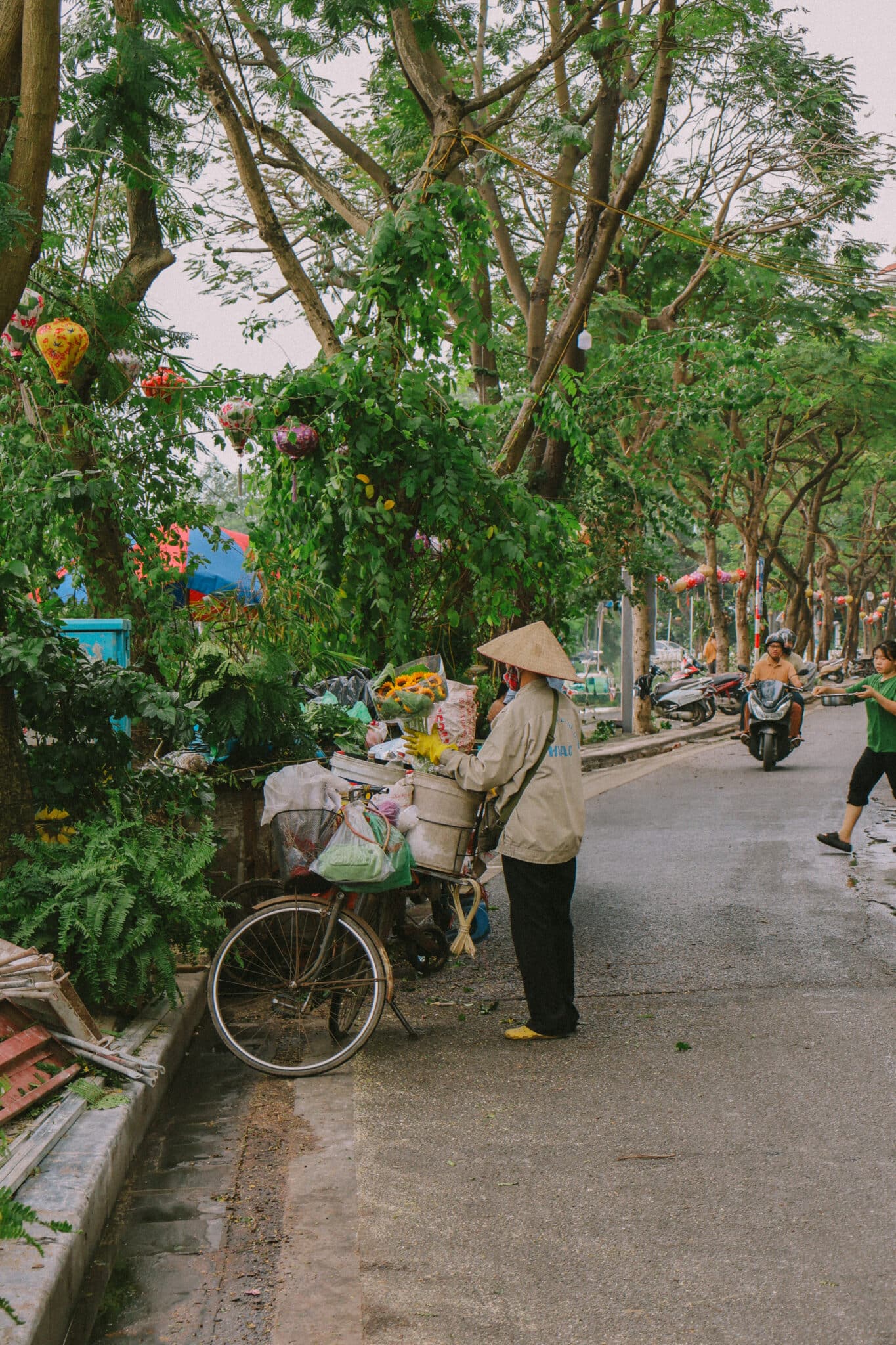
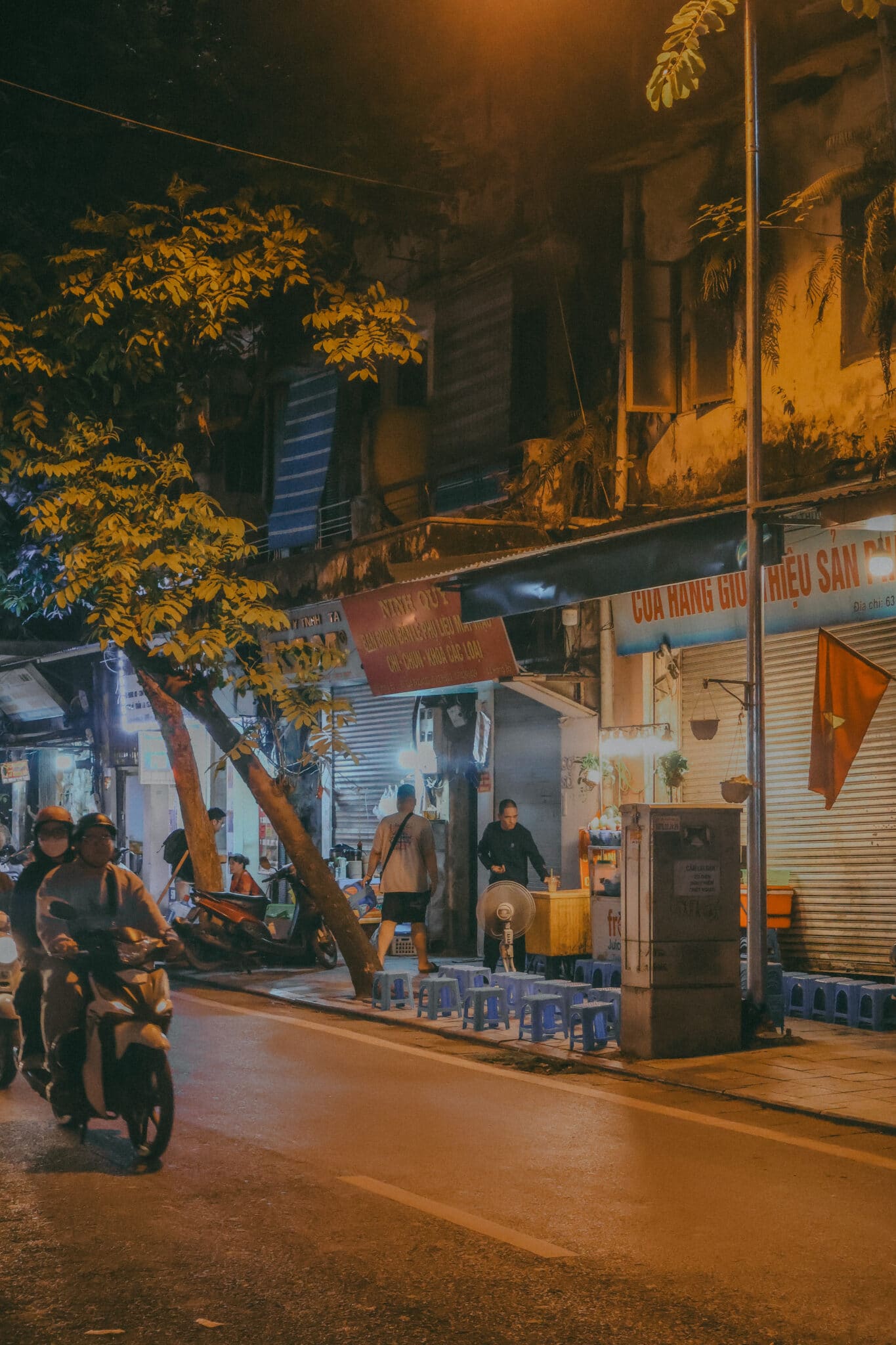
Honestly, I think taking an aimless stroll around any city is probably my favorite way to get acquainted with a new place. And it’s certainly one of the best things to do in Hanoi. The city’s chaos is an assault on the senses best experienced by simply getting lost.
This is especially true in the center, which has so many twists and turns you could get lost there forever. Despite how on the beaten track this part of Hanoi can feel, wandering helped me discover a handful of Hanoi hidden gems to eat, drink, and shop. For example, I found a super cool vintage jewelry store this way, as well as some of our favorite street food snacks.
For more inspo about which areas you should get lost in and what to do in Hanoi, check out my complete Hanoi neighborhood guides (coming soon)! But for now, here’s a short summary:
Old Quarter
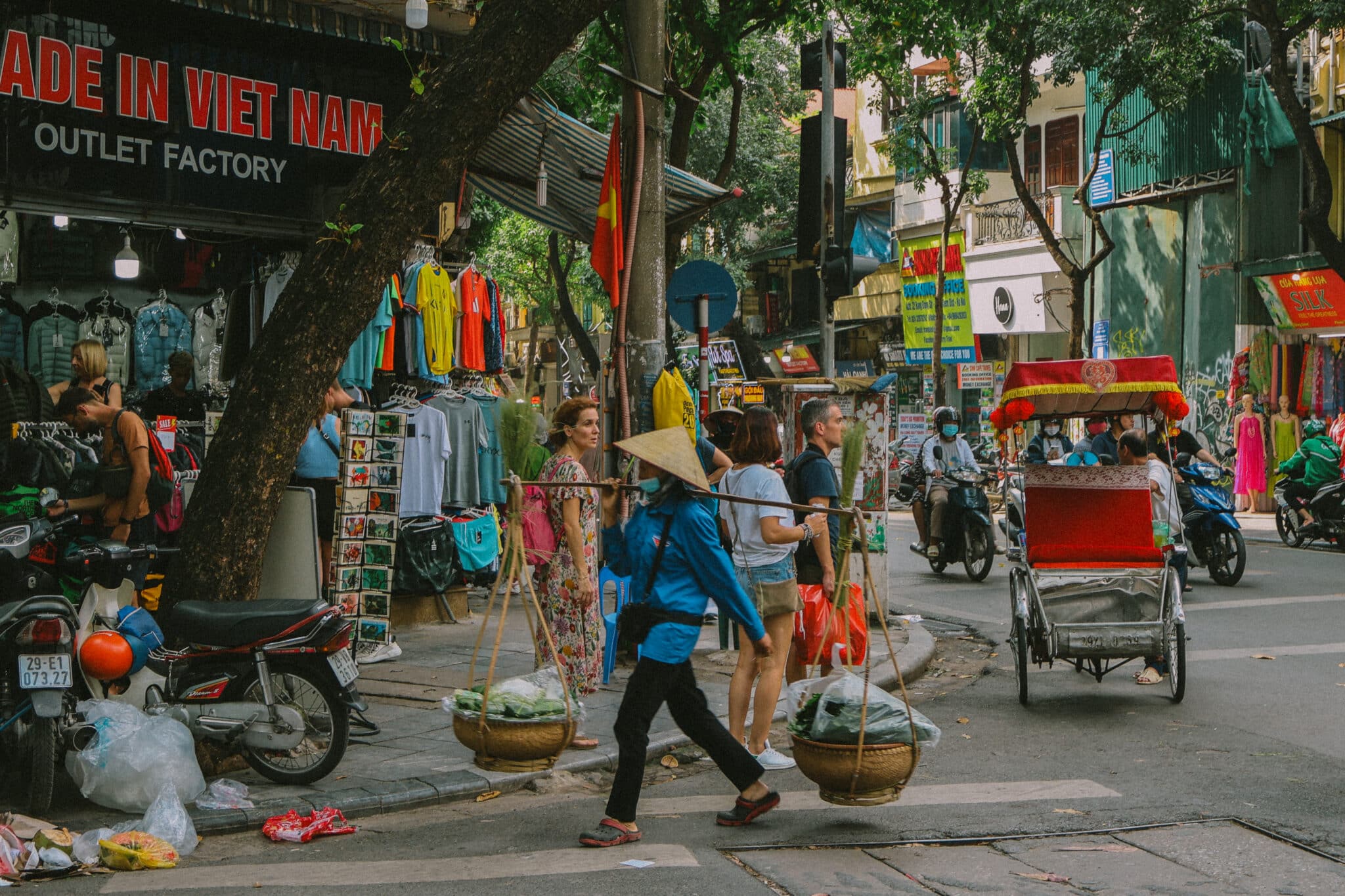
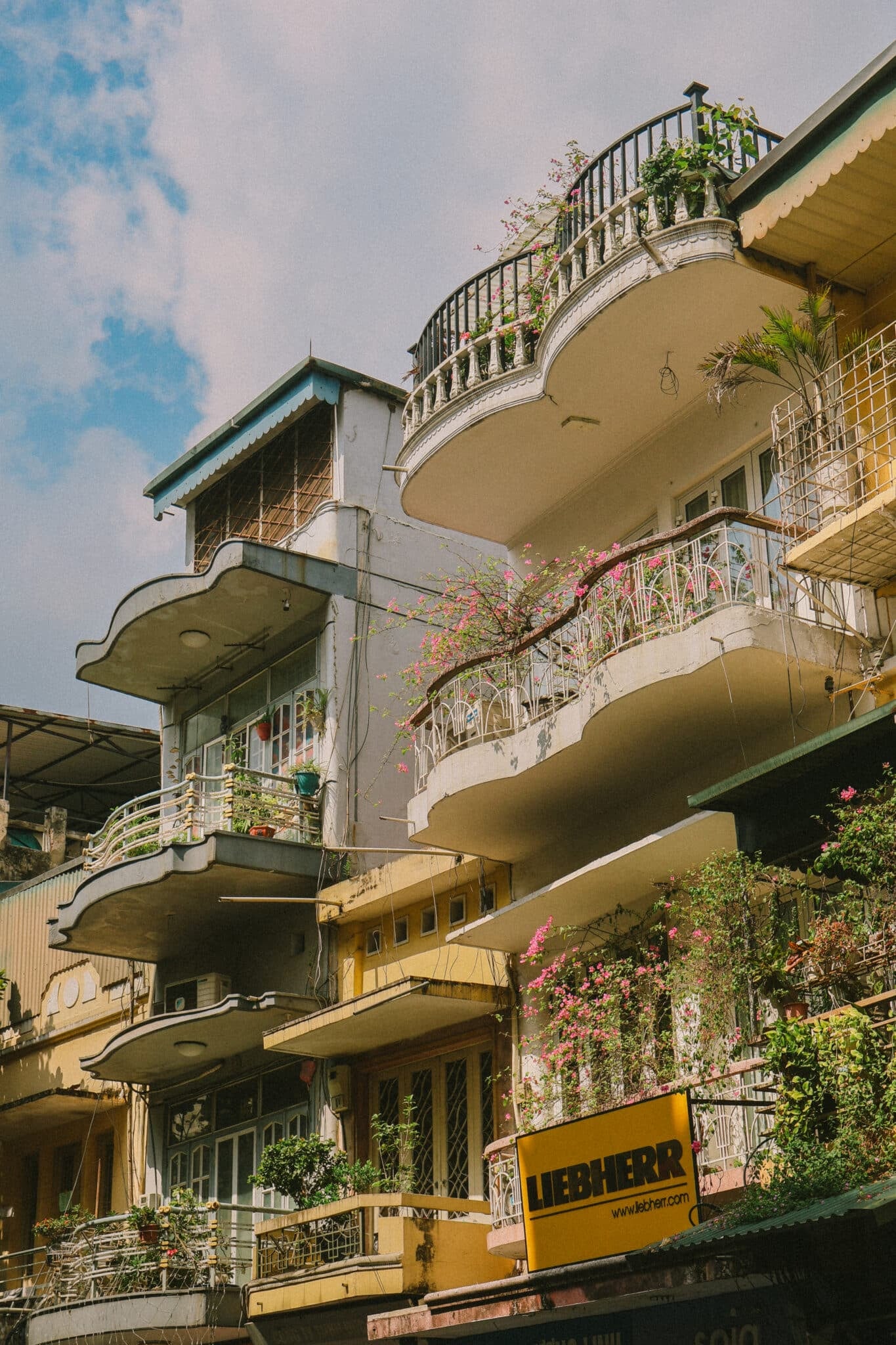
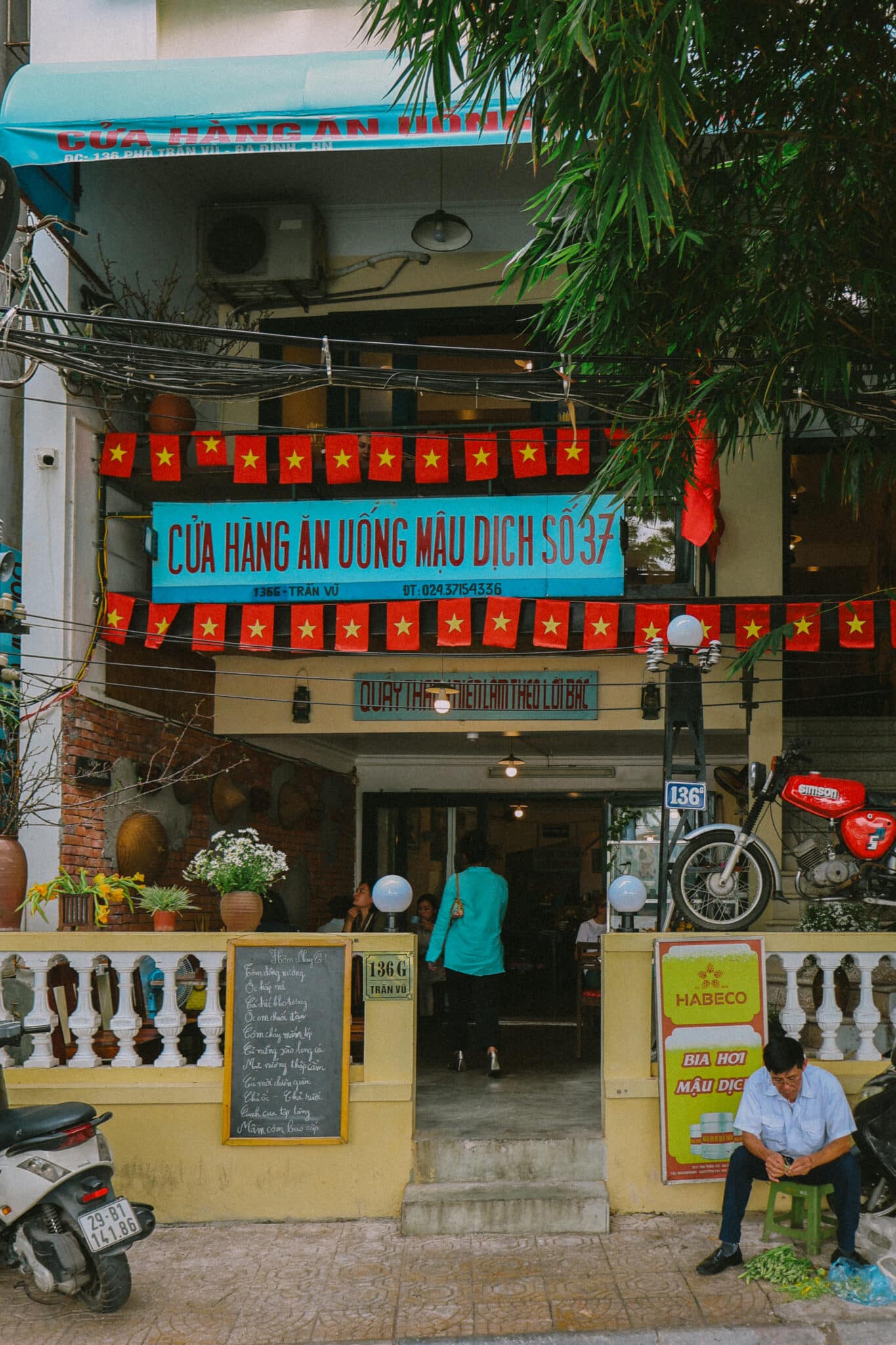
The Old Quarter is where you’ll find the Hanoi everyone imagines: winding narrow streets you’ll 100% get lost in, scooters zooming everywhere, plastic stools scattered across sidewalks, tube houses stacked like dominoes, and enough coffee to keep you wired for a week.
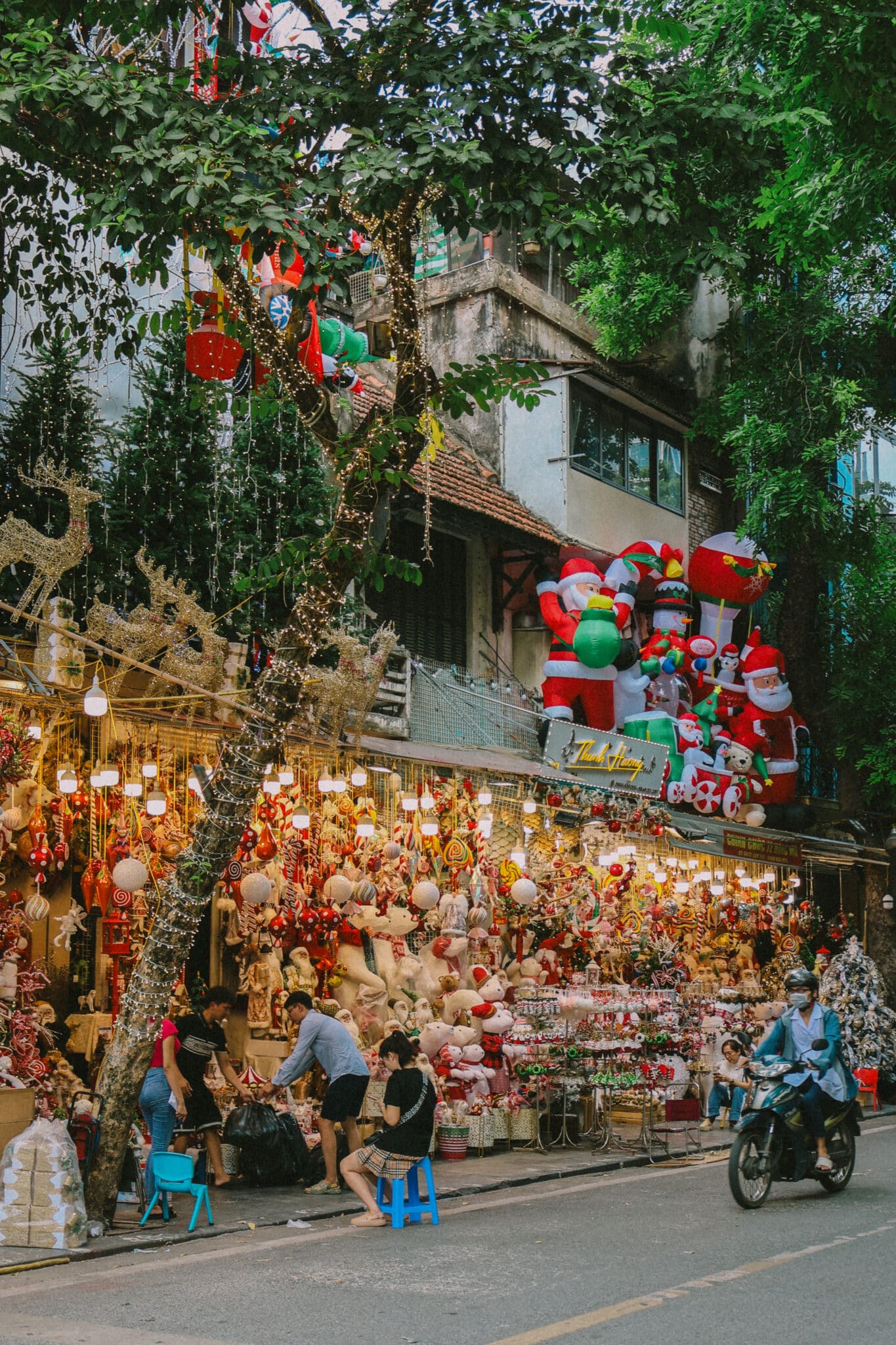
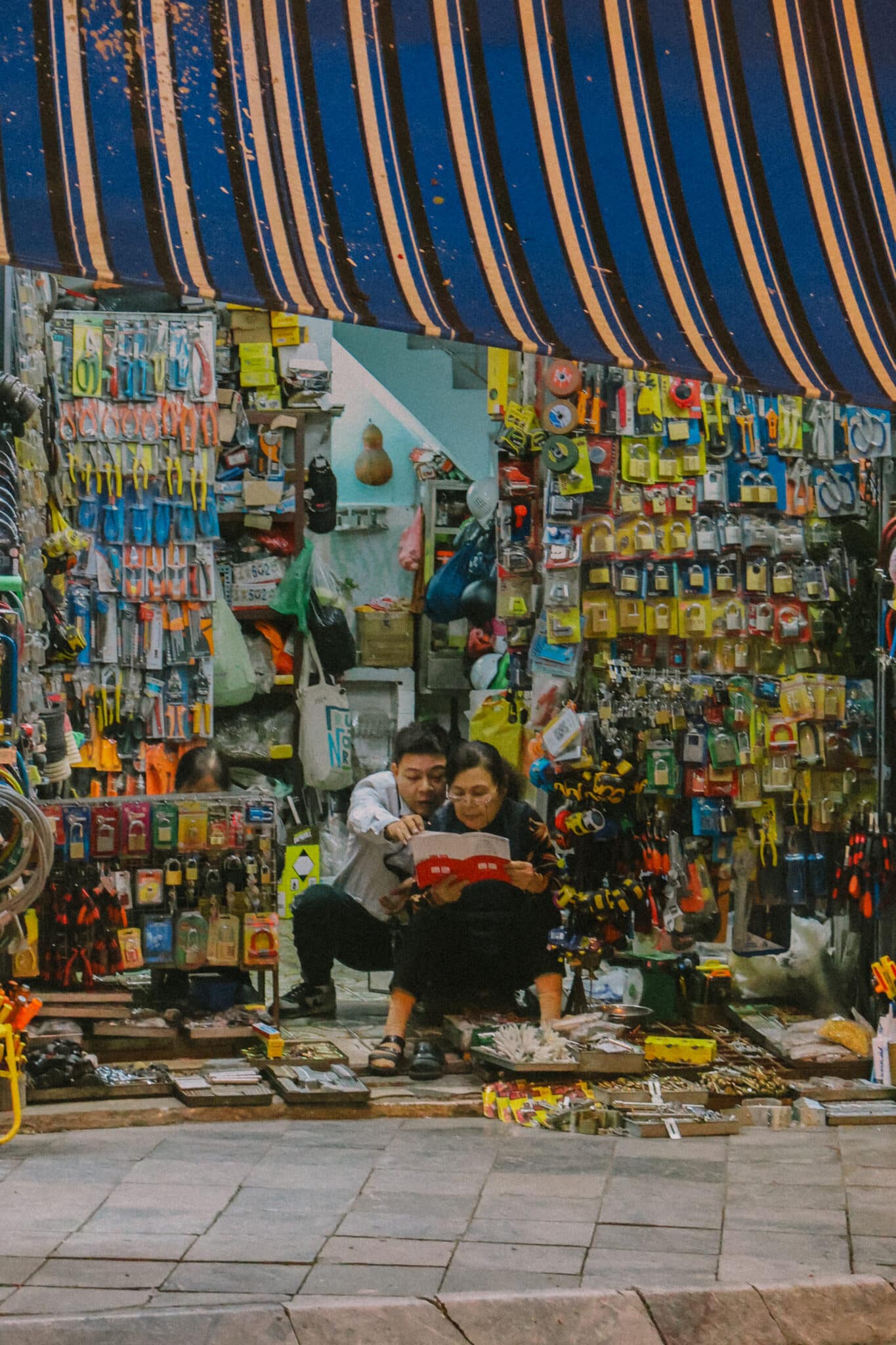
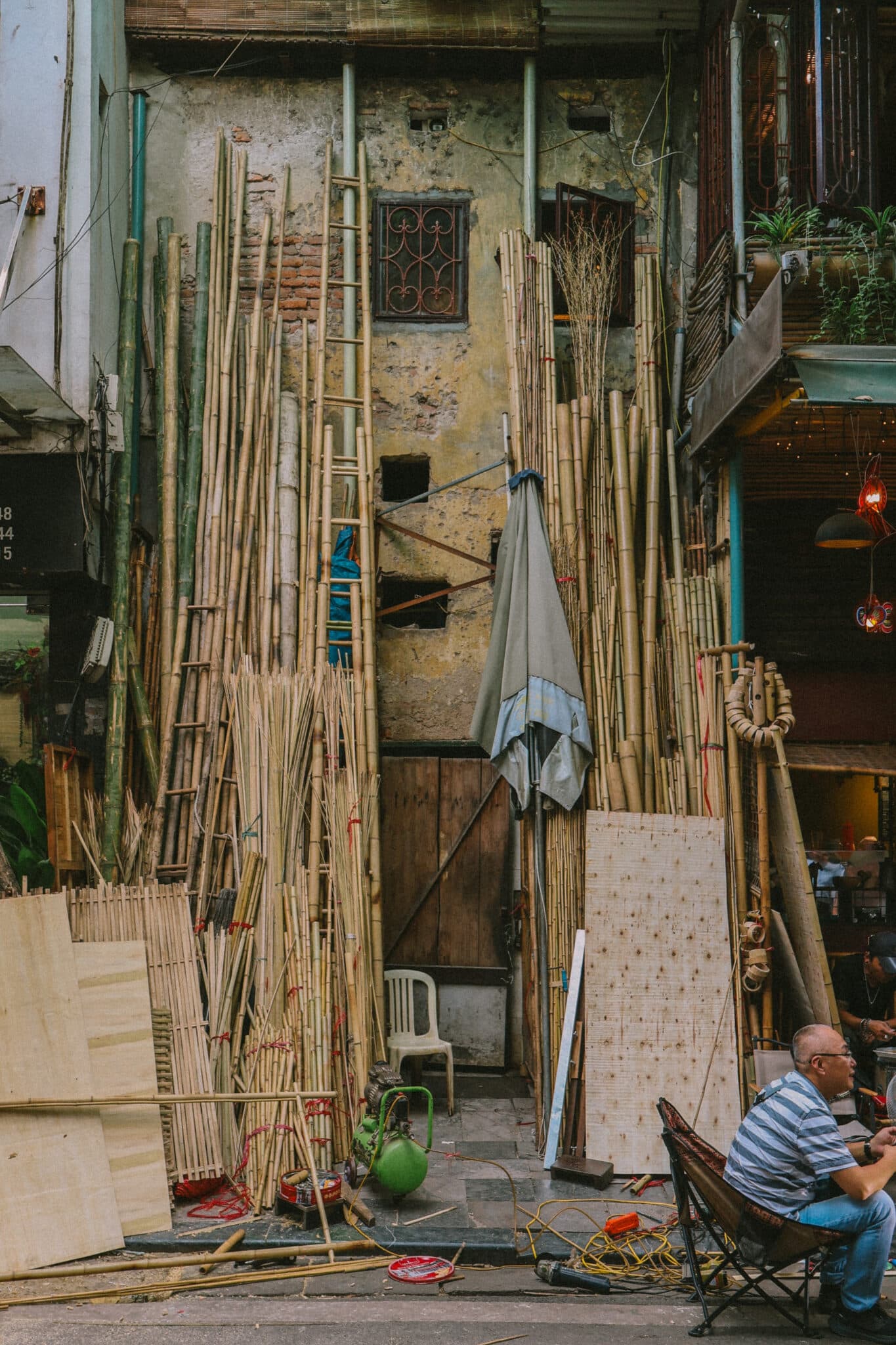
One of the biggest claims to fame of this Hanoi neighborhood is the way that it’s historically organized by the 36 trade guilds (the “36 streets”). Exploring these streets (and trying to figure out which was which) was without a doubt one of my favorite parts of Hanoi, and definitely my favorite part of the Old Quarter. Try to find all 36 of the different streets! My favorites were the bamboo, silver, and (I’m not sure if this was official or just coincidence?) the Christmas decoration streets.
We stayed in the Old Quarter when we visited and loved how easy it was to find coffee shops and cute hole-in-the-wall spots for a quick snack.
French Quarter
Located just south of the Old Quarter, you’ll get a significant vibe shift when you enter the French Quarter. True to its name, you’ll find wide boulevards, yellow colonial buildings, leafy sidewalks, and way fewer scooters to battle when crossing the street. To be honest, apart from a few specific Hanoi hidden gems shops, I didn’t personally vibe with this neighborhood—probably because I loved the Hanoi chaos.
Some highlights of the French Quarter are the Opera House, a few of Hanoi’s best five star hotels, embassies, government buildings, and the museum of the Vietnamese Revolution.
Ba Dinh & Dong Da (Central Hanoi)
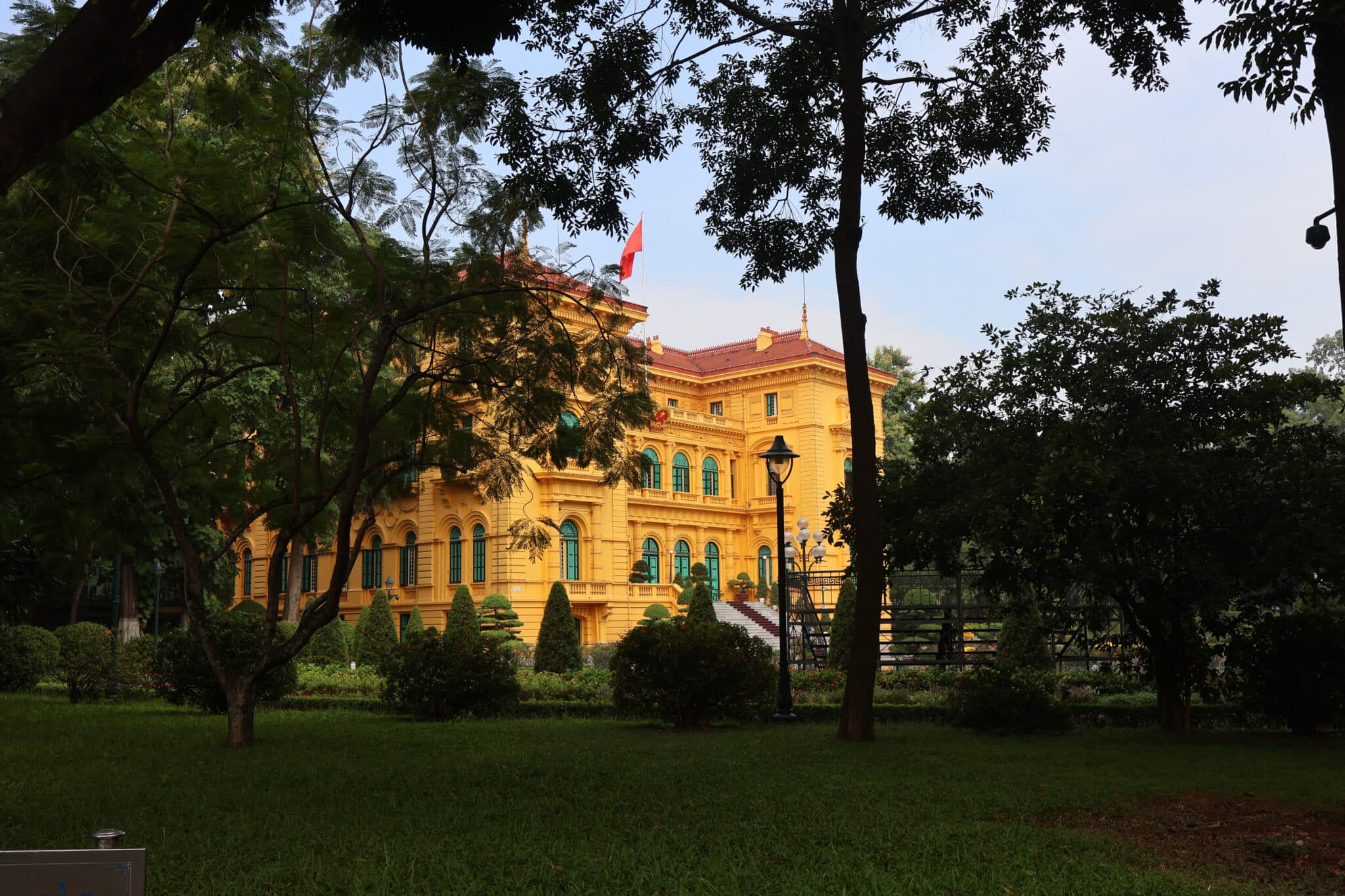
Ba Dinh is the political and historical heart of Hanoi, and you’ll almost certainly spend time here just by virtue of how many things to do in Hanoi are located in the area. It’s more spread out than the Old Quarter, with big green spaces, government buildings, and some of the city’s most important landmarks—including Ho Chi Minh Mausoleum and Ho Chi Minh’s Stilt House.
The district itself is huge and sort of encompasses several smaller neighborhoods, so it can be a little hard to define in a short blurb—but the overall vibe is monument-heavy, historical, and very tied to Vietnam’s national story.
Just to the south, Dong Da feels much more like everyday Hanoi. It’s dense, busy, and largely untouched by tourism, with local markets, student energy, and plenty of cheap food options. This is where you’ll find the Temple of Literature, one of the city’s most beautiful historic sites. Because the area is full of universities, it’s a great place to follow the crowds of students and see where they’re eating. For something a bit nicer, we had a great meal at KOTO Restaurant, which I’d happily recommend.
Ngoc Ha
Just behind the Ho Chi Minh Complex, Ngoc Ha is a neighborhood that many visitors completely miss—which is a shame, because it’s one of the best Hanoi hidden gems and is full of local character. The day we spent exploring this area ended up being one of our favorites of the trip! Historically a flower-growing village, today it’s a quiet maze of narrow residential lanes, local cafés, and neighborhood beer gardens where Hanoi residents gather in the evenings.
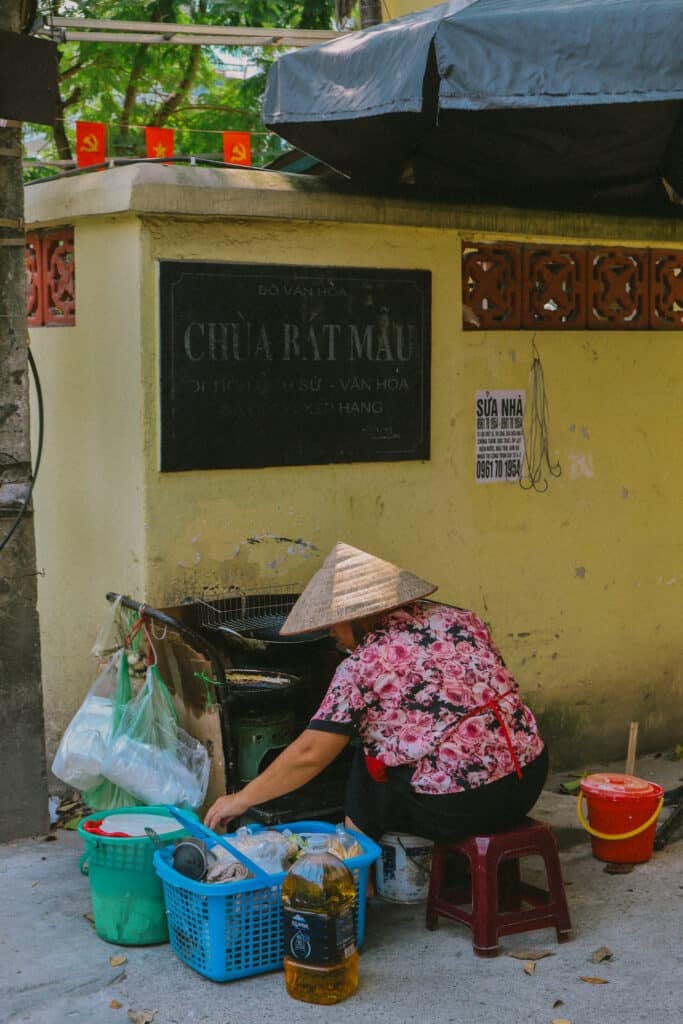
Ngoc Ha is also home to the original location of Dao’s Care, a well-known social enterprise spa staffed by visually impaired therapists. We got a lot of massages in Vietnam (like it was kind of absurd, I won’t lie) but this was honestly the best one of the bunch. I highly recommend prioritizing a visit here on your trip, even if it’s slightly out of your way!

Know Before You Go
I’ve gotten a lot of massages in a lot of different countries but so far there is one element that has been entirely unique to Vietnam. Basically, the massage therapists all ended up climbing in the table and either standing over us, or walking over us at some point in the massage. Not once were we given a warning about this part of the experience lol. Just letting you know in advance so you can prepare for it if it happens to you.
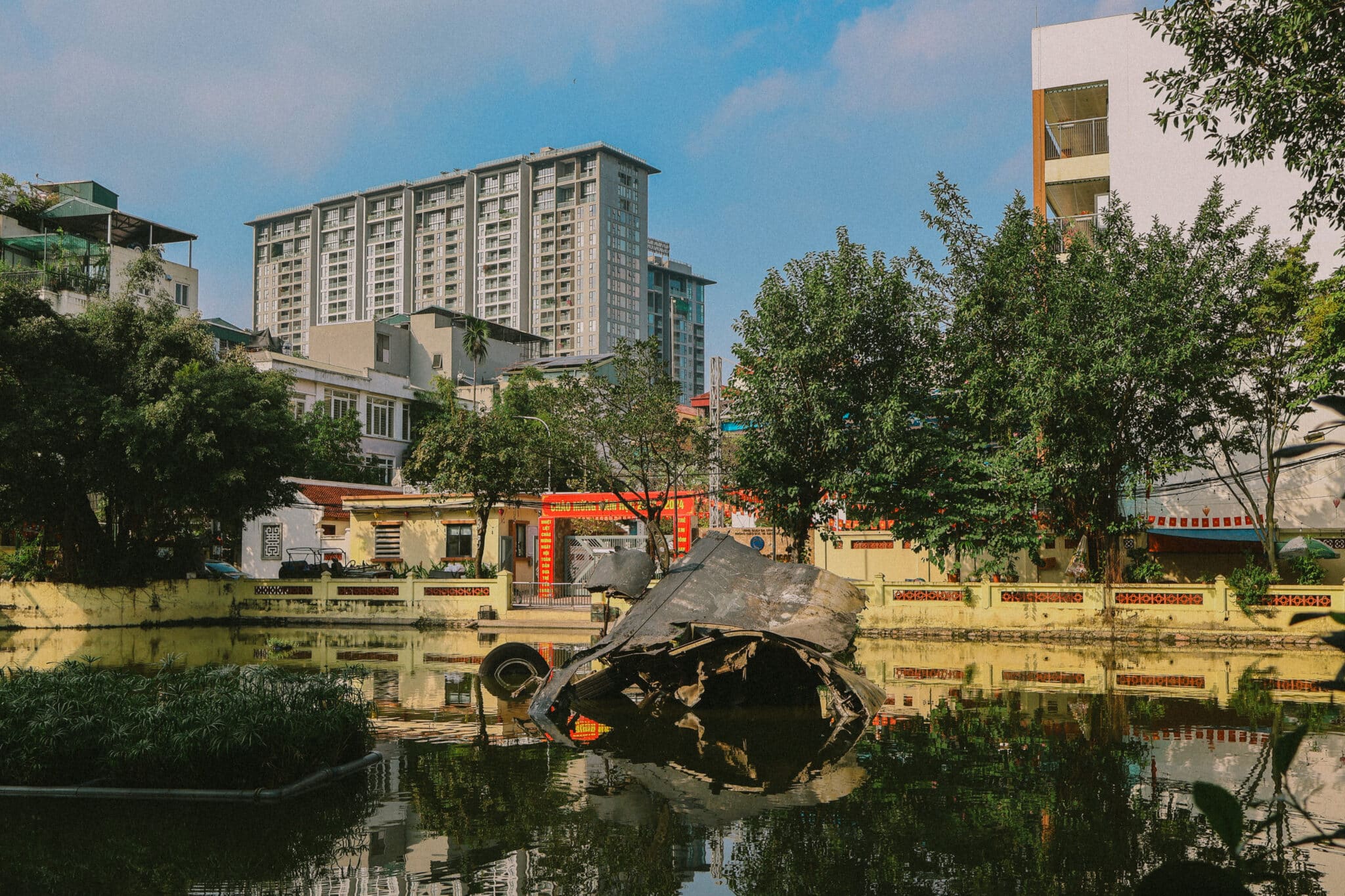
One of the most compelling sights here is the B-52 wreckage in Huu Tiep Lake, part of an American bomber downed in the 1972 Christmas bombing. In fact, not much of Hanoi’s war history remains visible these days in other parts of the city, so the B-52 wreck is pretty wild to see up close. It’s a powerful reminder of Hanoi’s wartime history that we were pleased to find wasn’t swarmed by tourists when we visited. In fact, we were literally the only ones there.
Tay Ho (West Lake)
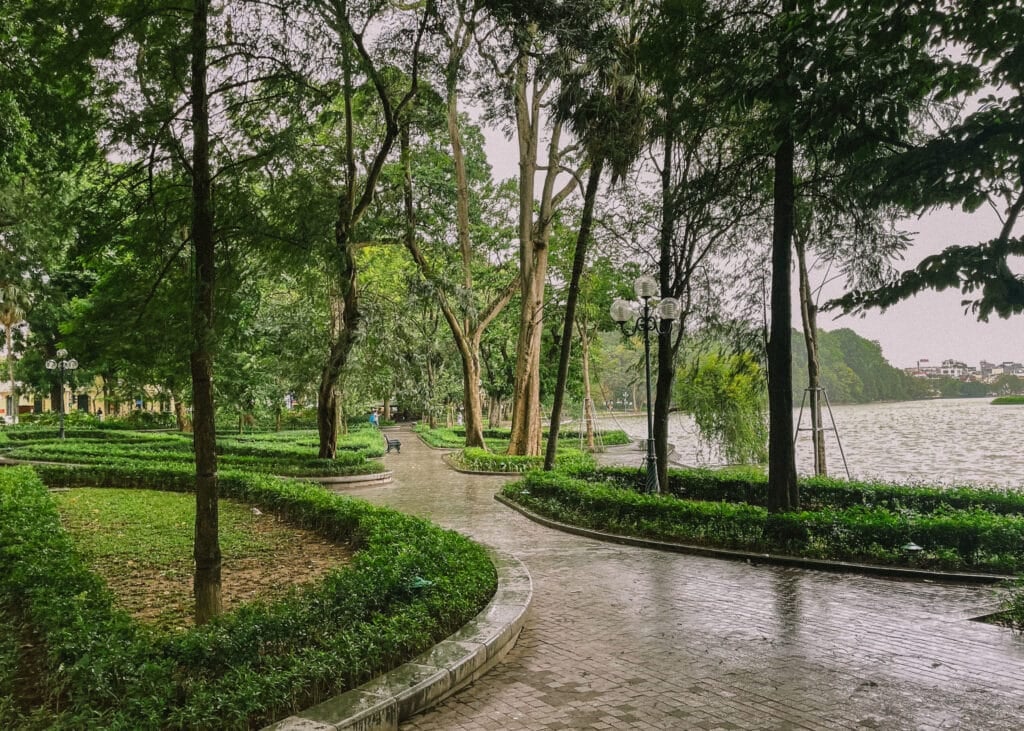
Centered around Hanoi’s largest lake, this area feels noticeably less touristy. It’s greener, airier, and more residential, with a mix of locals and expats.
We didn’t end up spending too much time here, mostly because of the expat vibes to be honest, but we did find a lot of cute restaurants that I was sad to miss out on, and we hit a ton of good vintage shops that I would highly recommend.
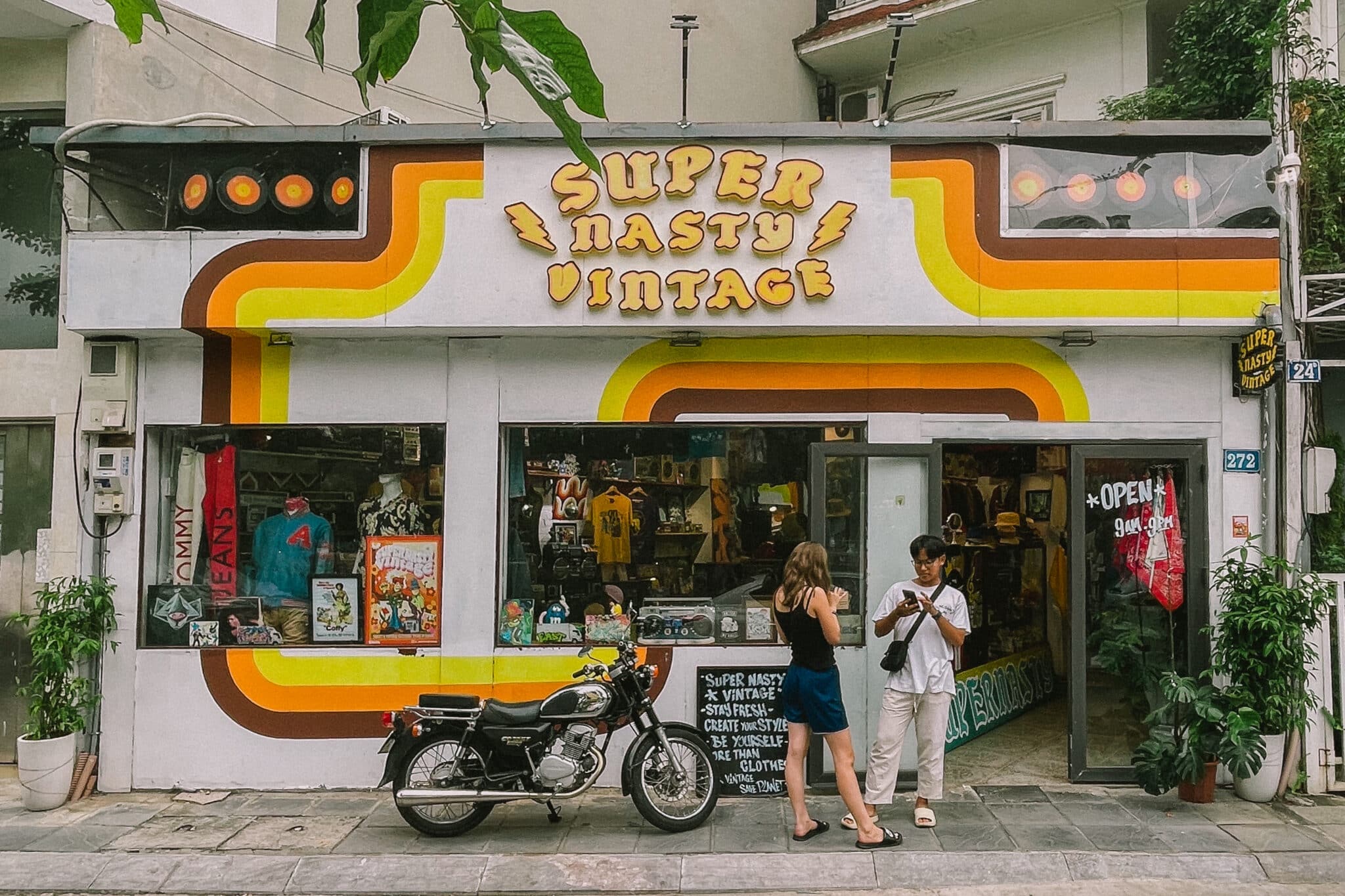
If you want my best thrifting/vintage recs you can check out my maps and my thrifting guide to Hanoi (both coming soon). All in all, don’t panic if you can’t fit this neighborhood into your plan of things to do in Hanoi, but if you do make it over there then you’re practically a local.
Truc Bach
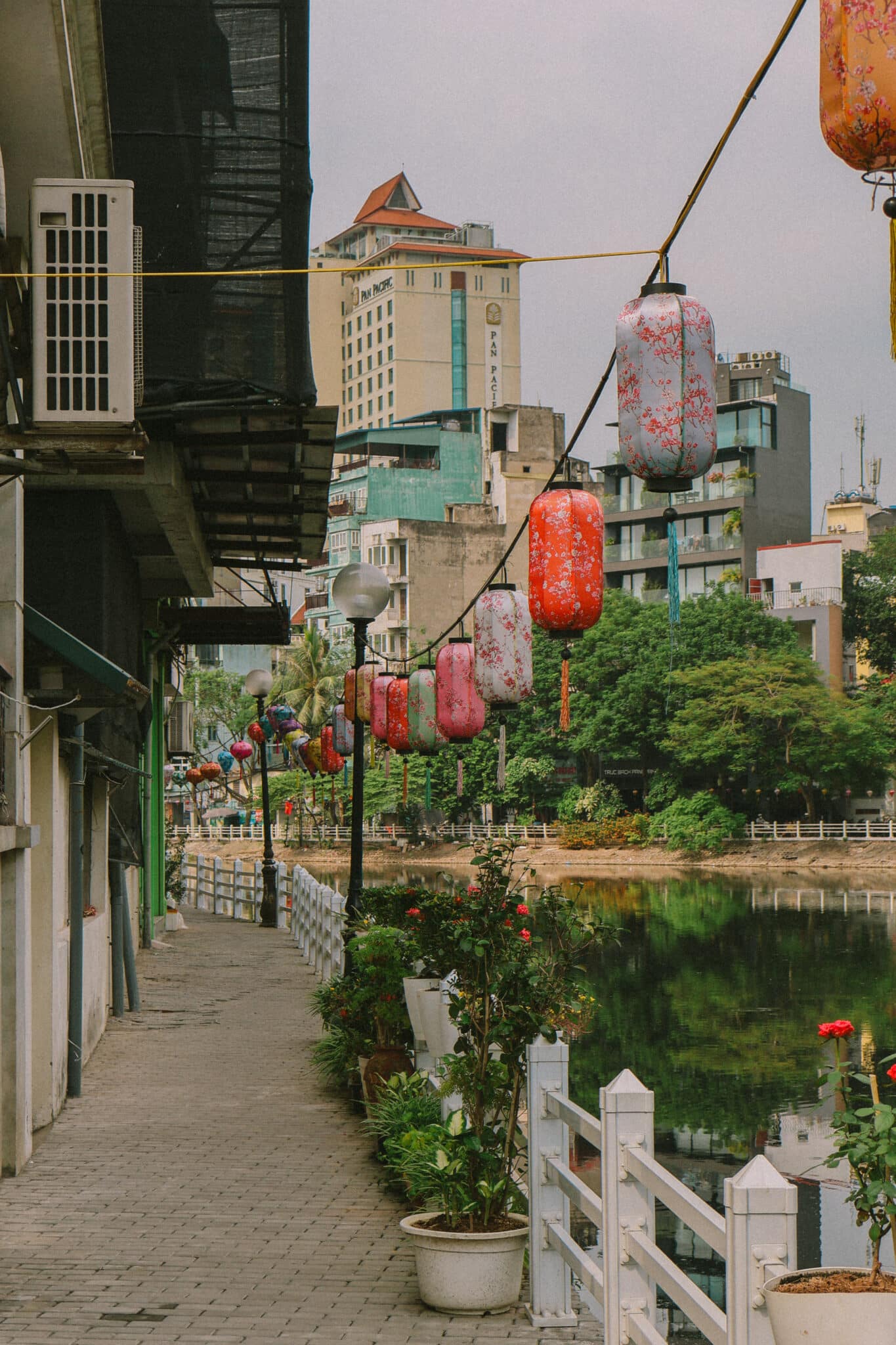
Just south of West Lake, Trúc Bạch feels a little more local than the Old Quarter despite still being very easy to get to and explore as a visitor. Centered around Truc Bach Lake (and including Truc Bach Island), the area is compact and walkable, with tree-lined streets, casual cafés, and a strong food scene. In fact, this is where you’ll find some of Hanoi’s most famous dishes, including the incredibly unique pho cuon.
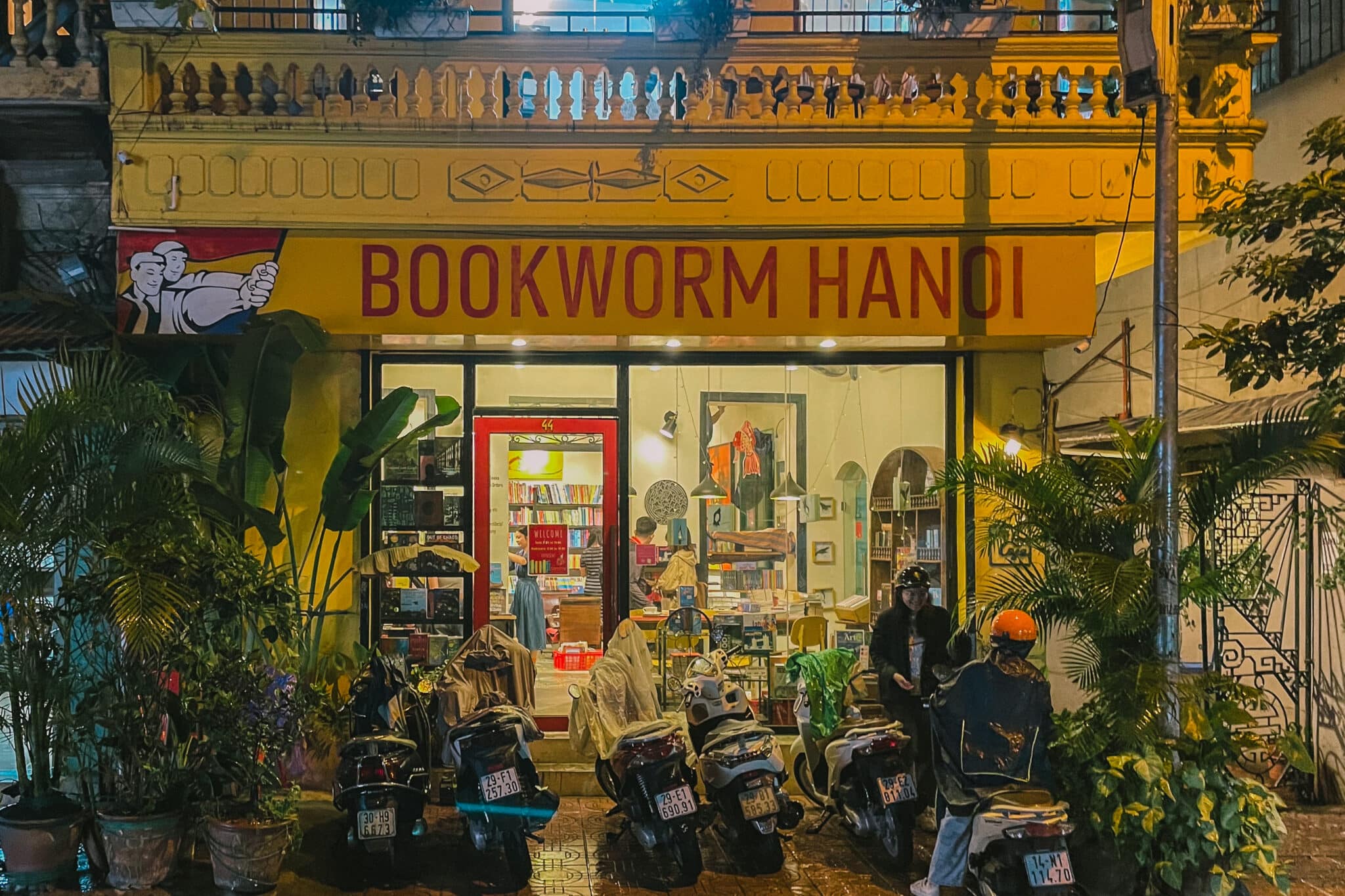
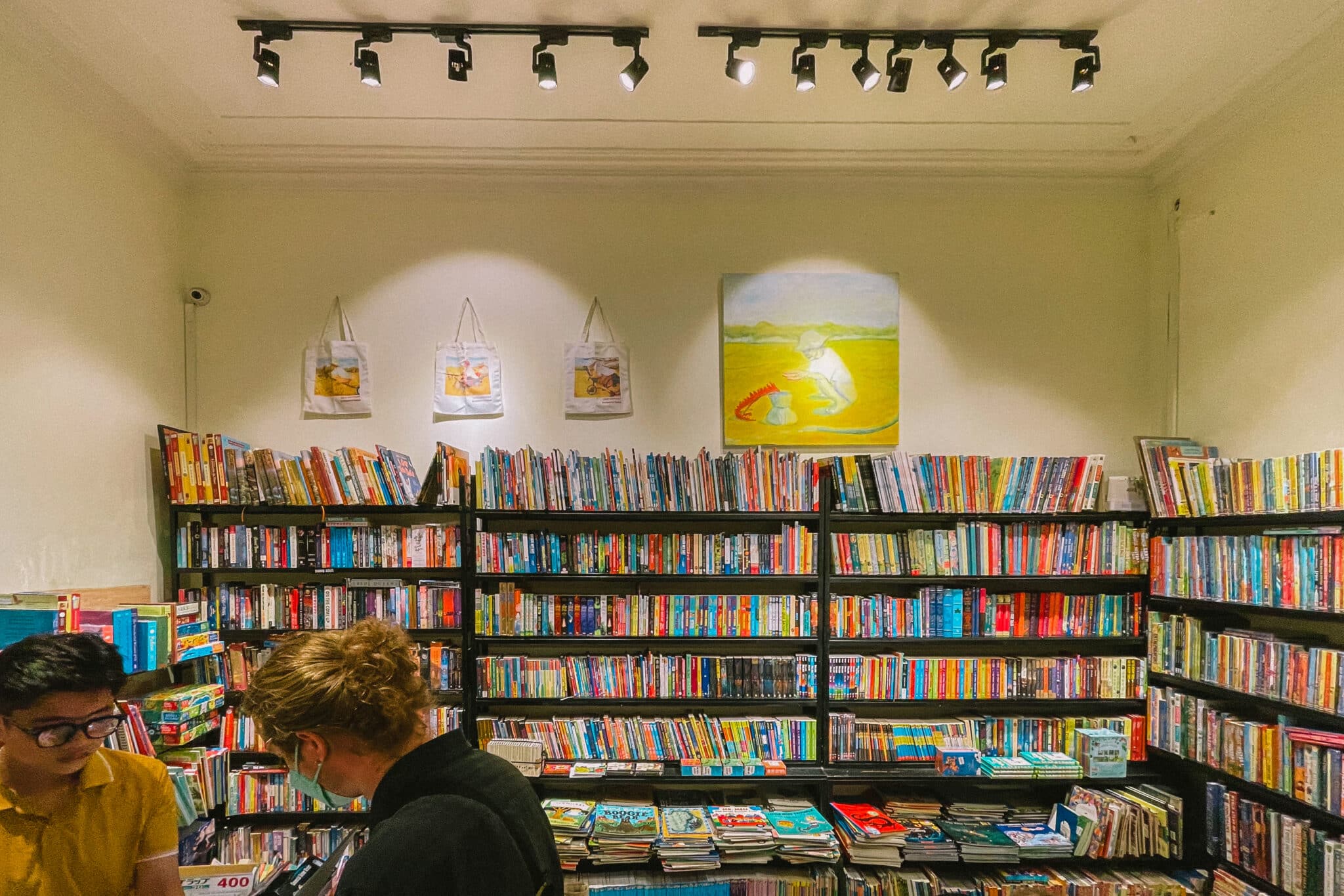
It’s also a nice place to slow down for an afternoon. Walk the lake loop, hop between cafés, or browse a few small independent shops. One of our favorite little finds here was The Bookworm Hanoi, a cozy English-language bookstore perfect for finding works by local authors in translation. Overall, Truc Bach strikes a great balance: lively enough to keep things interesting, but far calmer than the Old Quarter.
Want local insights while you wander?
You can absolutely explore Hanoi’s neighborhoods on your own (that’s my favorite way too), but if you want to understand the stories behind what you’re seeing, a local guide can add a lot of context. From cycling around West Lake’s pagodas to exploring the French Quarter’s colonial architecture or uncovering hidden corners of the Old Quarter, these tours help bring Hanoi’s streets to life.
4. Visit Hanoi’s Most Famous Historic Sites
Ok, I admit again that these are not exactly “off the beaten path” but hey, they’re important and popular for a reason. I always try to balance my time in a new place by selecting 2-3 of the “must-see” sites and folding them into my itinerary with the more vibe-centered things (cafe-hopping, shopping, etc.) that I know are important to me too.
By no means do you need to fit everything below into your trip in order to say you’ve “seen Hanoi” – but I do recommend making time for at least a couple of them!
Hoa Lo Prison
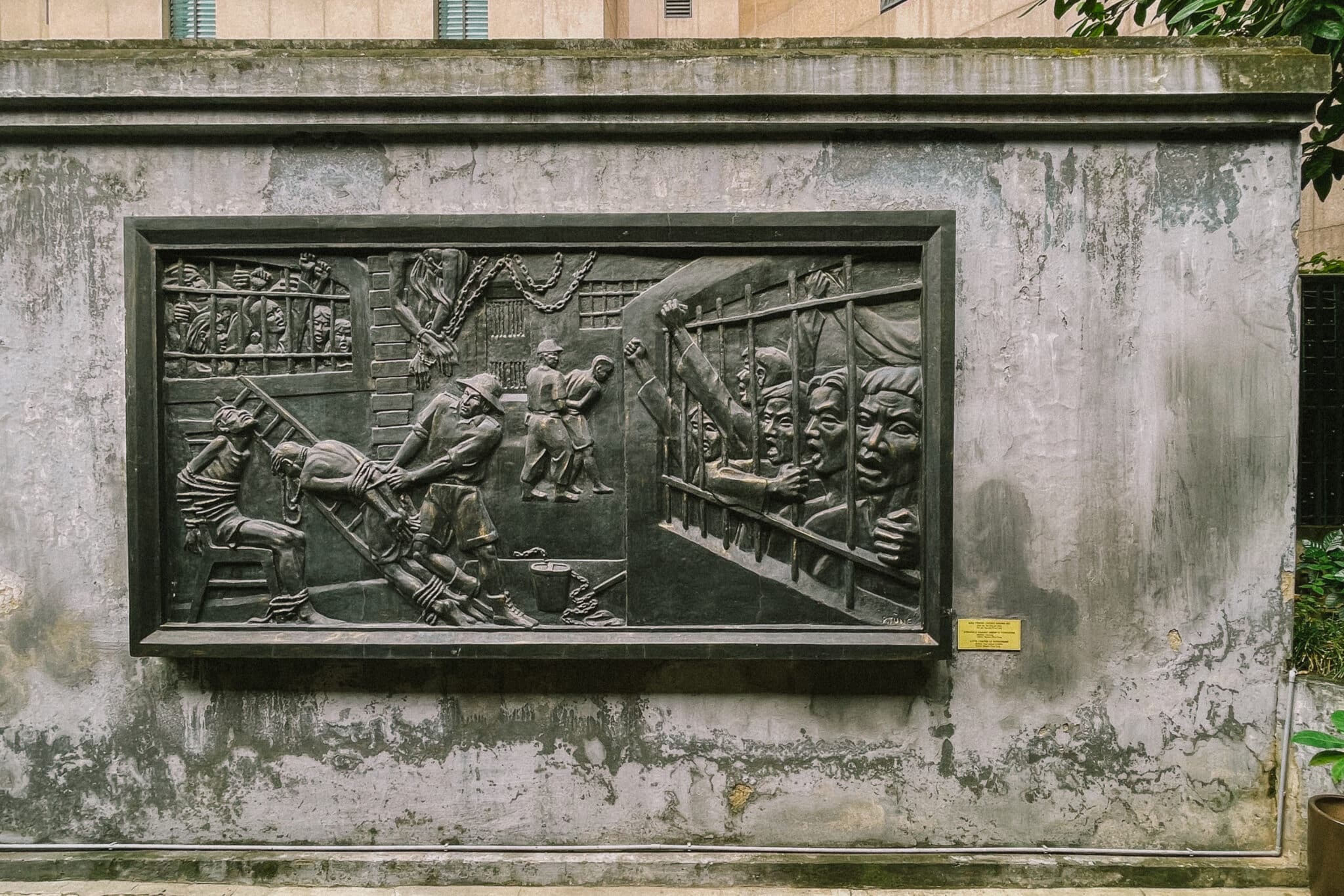
Once also known as the “Hanoi Hilton”, this site is where US prisoners of war were held during the American/Vietnamese war.
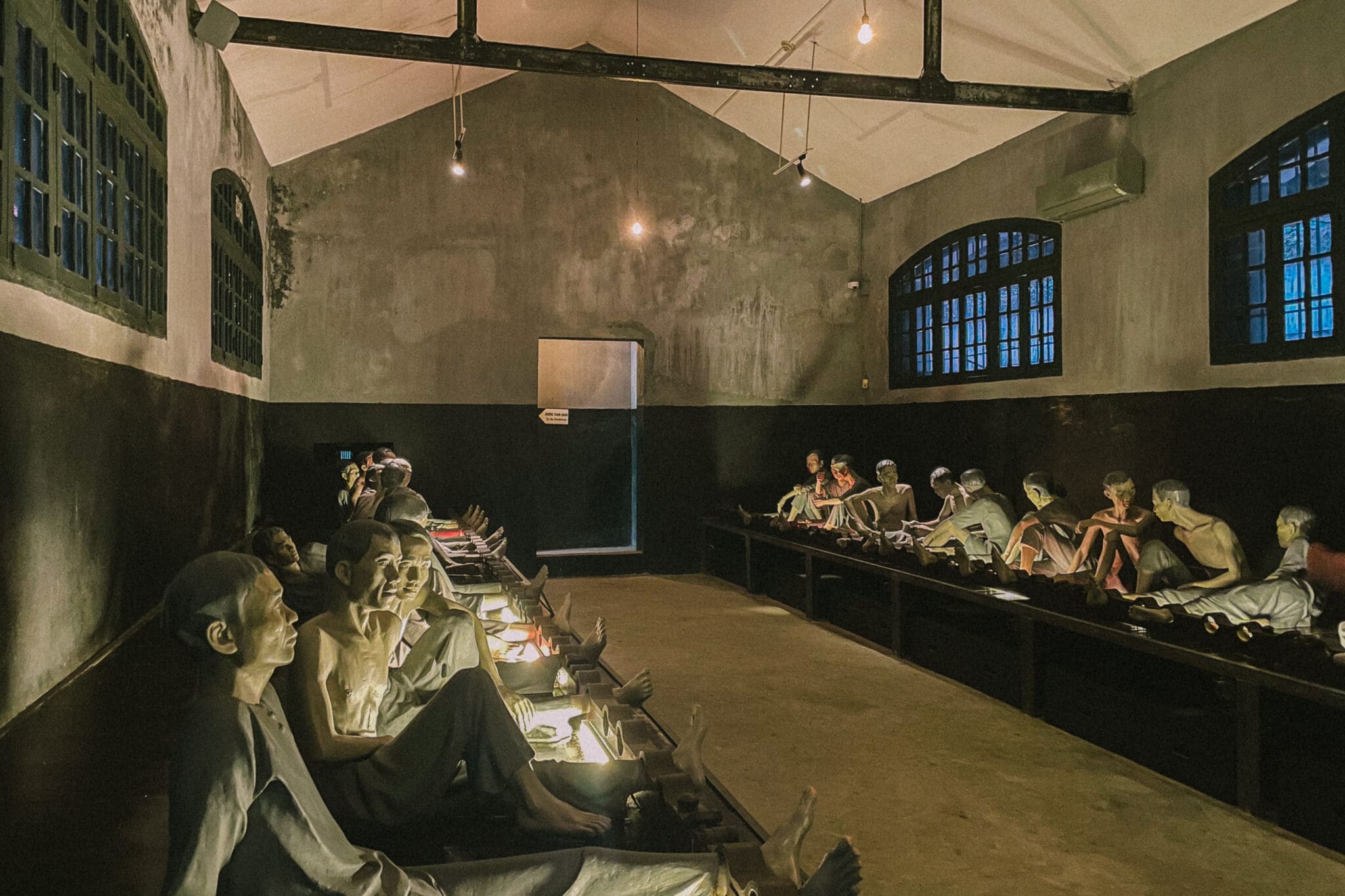
Most of the displays at Hoa Lo relate to the use of the prison during the Vietnamese anti-colonial struggle against France, but there are also parts dedicated to the American pilot POWs. Notably—at least for anyone interested in United States politics—Senator John McCain was held here after he crash landed in Truc Bach lake in 1967.
There was a lot of really interesting phrasing on the display placards, and to be honest just seeing how Vietnamese historians have remembered their own history made our visit feel worthwhile. This is one of the top things to do in Hanoi that I do definitely recommend.
👉🏽 To better understand the history behind Hoa Lo Prison, consider this guided visit that also explores Hanoi’s French Quarter →

Insider Tip
We visited the Hoa Lo Prison with Hanoi Kids, an amazing initiative that allows foreigners to get an almost free local’s eye view of the city. Pairs of college students interested in practicing their English offer free tours in exchange for visitors simply covering their entrance fees (and any coffee/tea/etc. if you decide to chill with them afterwards!). A highlight for us was that our guides showed us how to light incense and make an offering at the Buddhist shrine to ex-prisoners behind the building.
Imperial Citadel of Thang Long
Added to UNESCO’s World Heritage List in 2010, this was the center of Vietnamese military power for over a thousand years. You can feel the layers as you walk in and see ongoing archaeological digs.
In a way, it’s lowkey giving Pompeii vibes. Experts continue to uncover palace foundations, imperial gates, and ceremonial spaces which makes it particularly cool in my opinion. It’s less flashy than some UNESCO sites, but the mix of ancient ruins, American War command rooms, and leafy open grounds makes it worth a stop, especially if you want a break from the city chaos without having to leave the city.
👉🏽 Combine the Imperial Citadel with a visit to the vibrant Quang Phu Cau incense village on this guided day trip →
Ho Chi Minh Complex
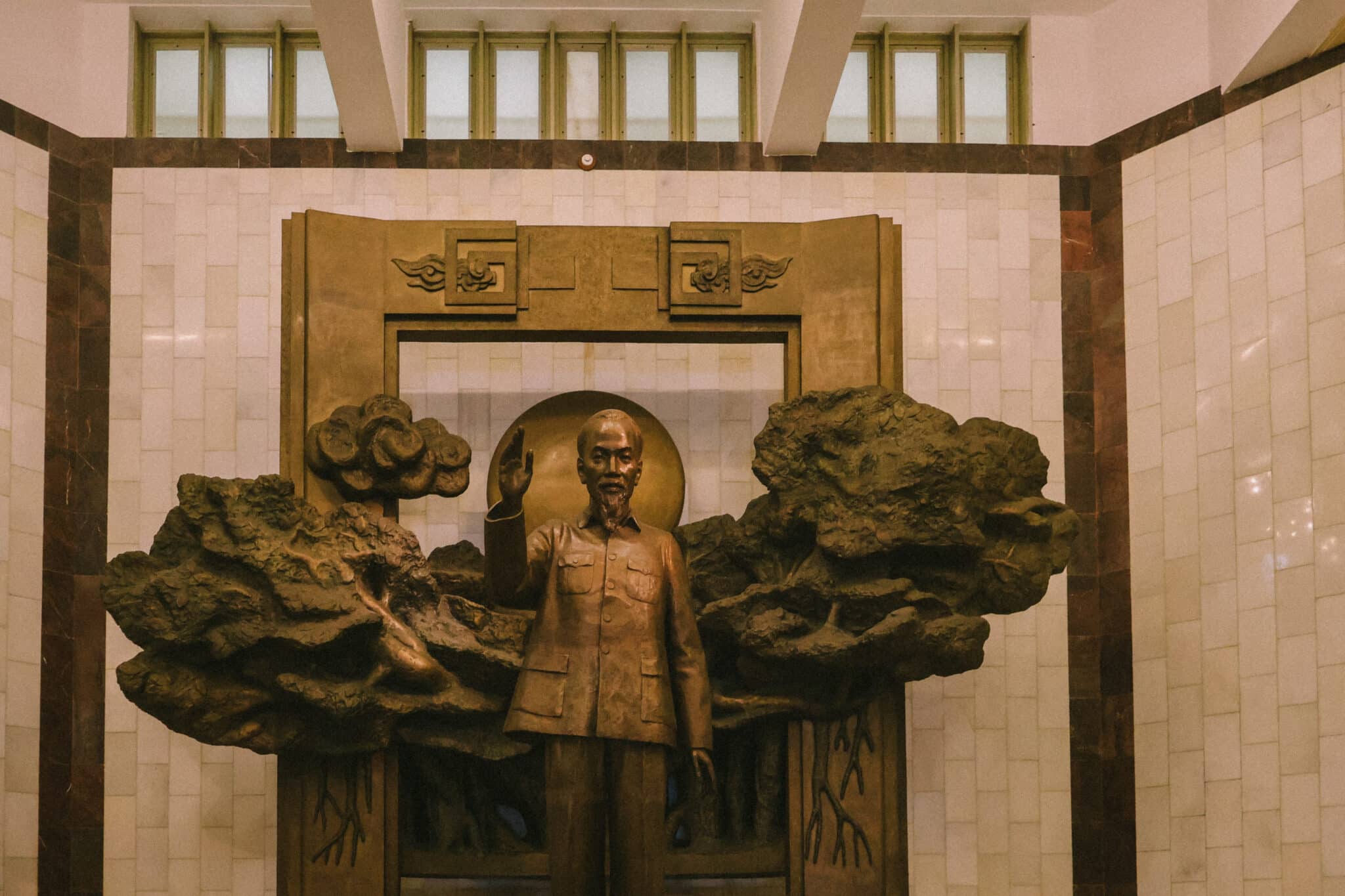
The Ho Chi Minh Complex is less of a single sight and more of a sprawling pilgrimage site. It was also by far our favorite stop in Hanoi for learning more about Vietnam’s fascinating history.
You could easily spend a full day here if you really wanted to explore everything in detail. We had about three hours, and managed to see much of what we wanted—but we would have appreciated a bit more time to take in the energy created by thousands of Vietnamese people enjoying their visit to the site.
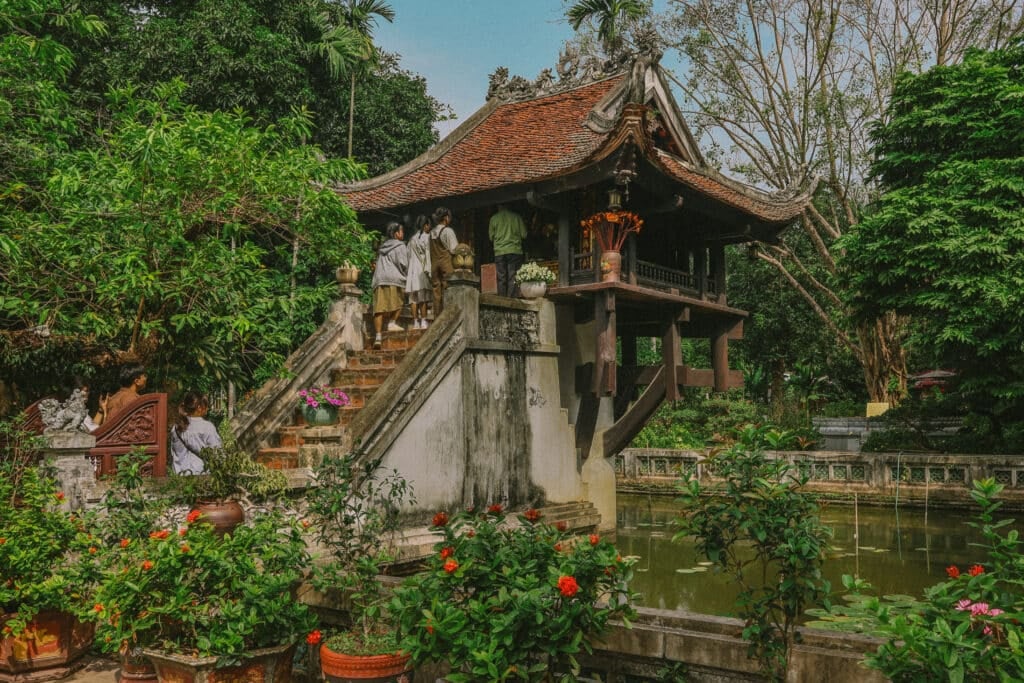
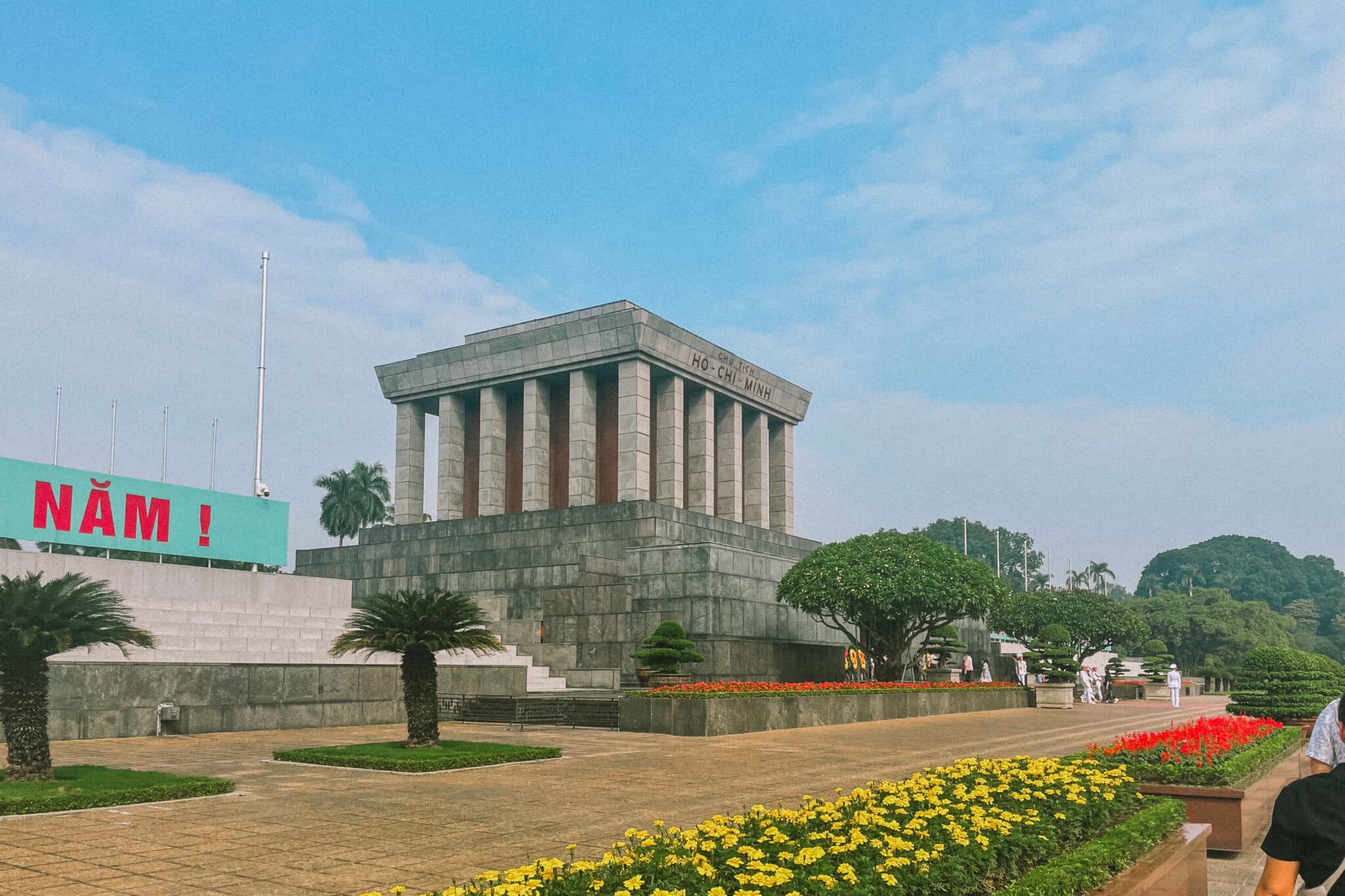
Foreign and Vietnamese tourists alike come to pay their respects to “Uncle Ho.” The grounds include:
Insider Tip
You’re expected to dress modestly as it’s also an important Buddhist site! Luckily if you’re forgetful—like I was—there will be a handful of people just outside the gate selling scarves to cover yourself.
The people of Vietnam (and people of good conscience worldwide) understandably revere Uncle Ho for his impact on a free Vietnam, and this is a must-visit stop on any things to do in Hanoi checklist.
👉🏽 If you want deeper context while visiting the Ho Chi Minh Complex, this guided tour explores the mausoleum, museum, and other important sites →
Temple of Literature
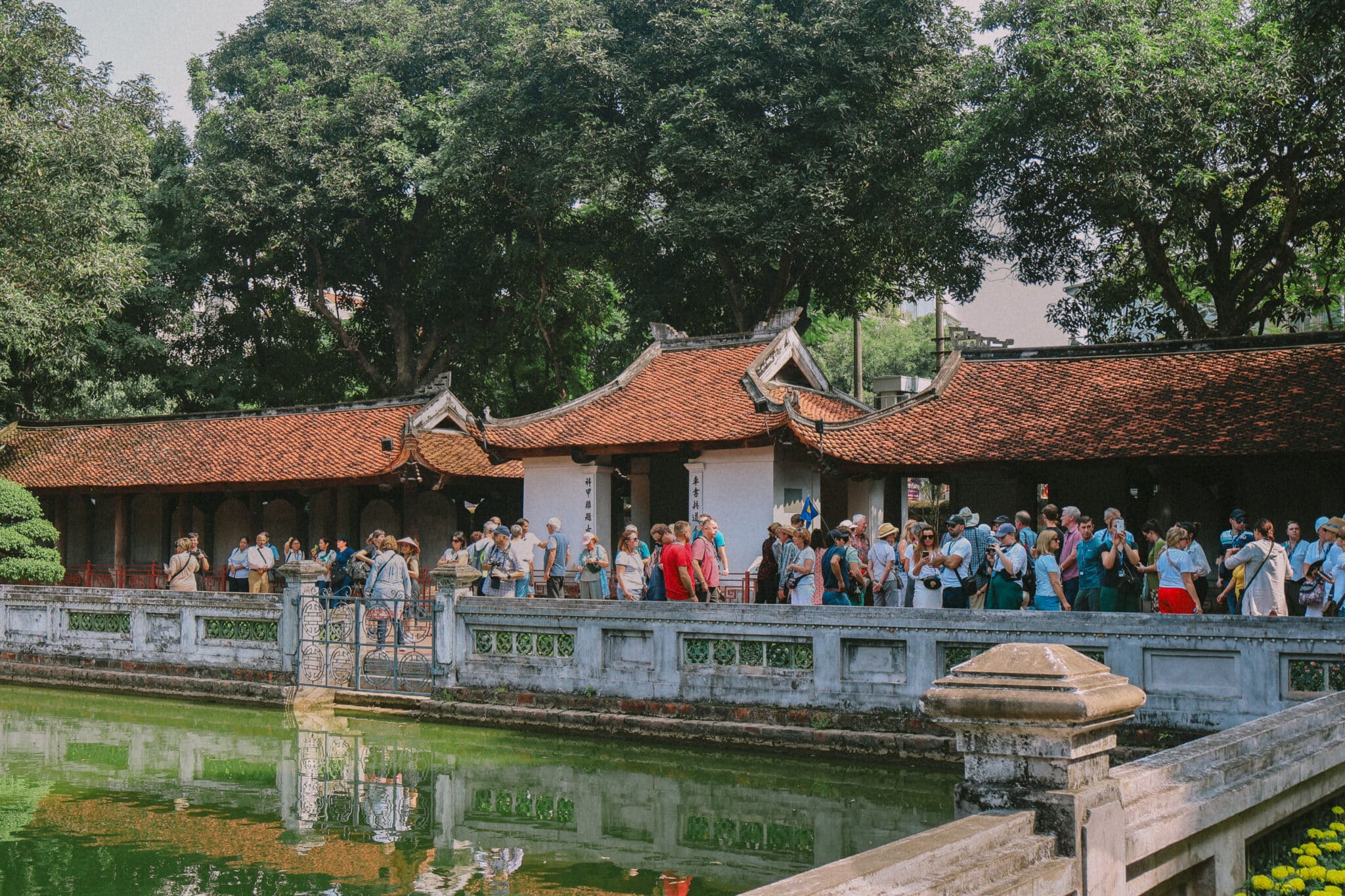
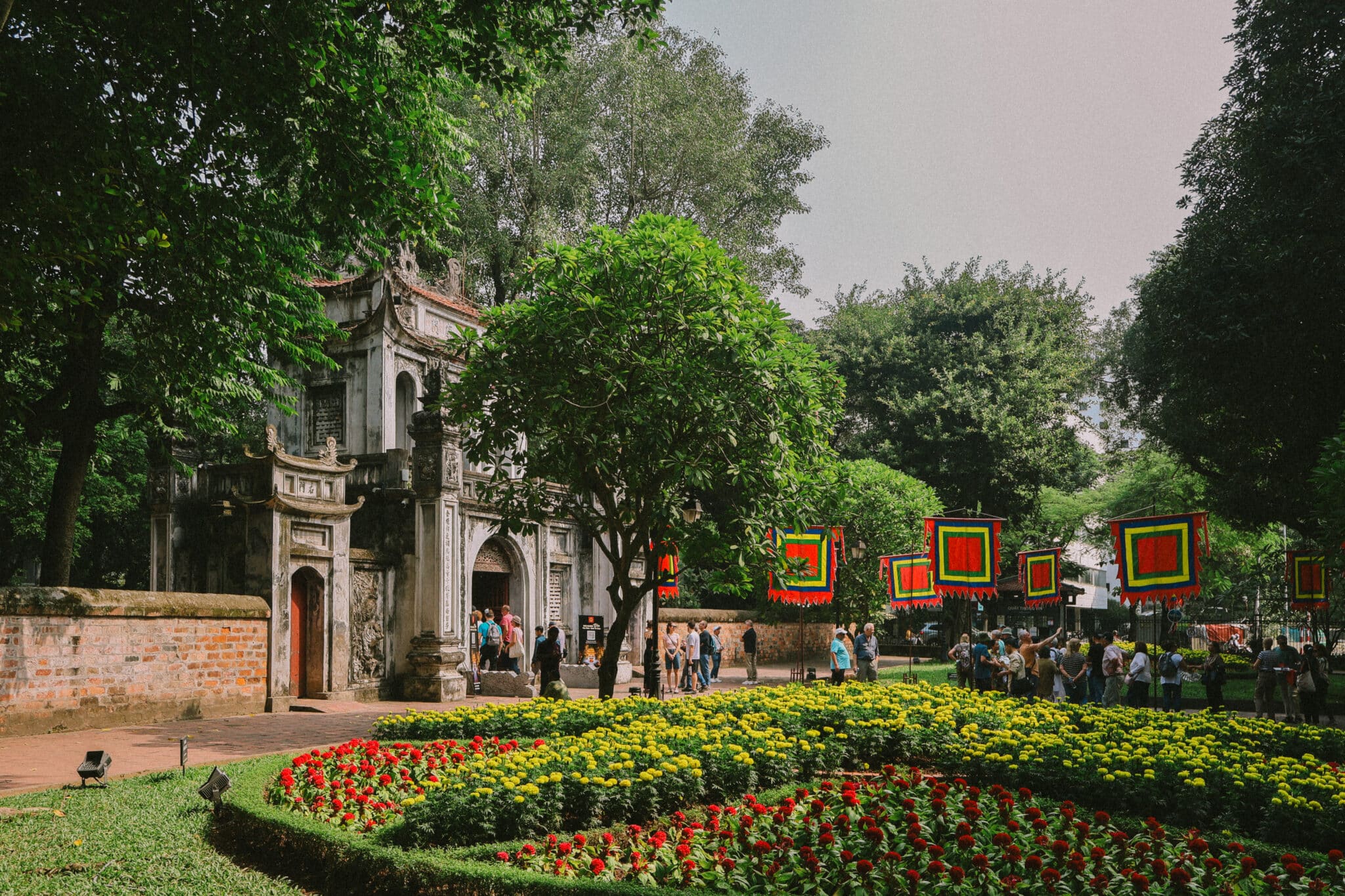
The Temple of Literature sits in landscaped courtyards that instantly bring you worlds away from the traffic outside. Founded in 1070, and later home to Vietnam’s first university, it honors Confucius and generations of scholars—with stone stelae (many mounted on turtle statues) recording the names of successful graduates.
Today it’s still a place where students come to pray for good grades (and take graduation photos) which I thought was adorable. Also, incredible name.
Insider Tip
We visited the Ho Chi Minh Complex and Temple of Literature as part of one tour, also hosted by Hanoi Kids (more details above)!
👉🏽 For a completely different experience, you can visit the Temple of Literature at night, when the courtyards are illuminated with storytelling and light projections →
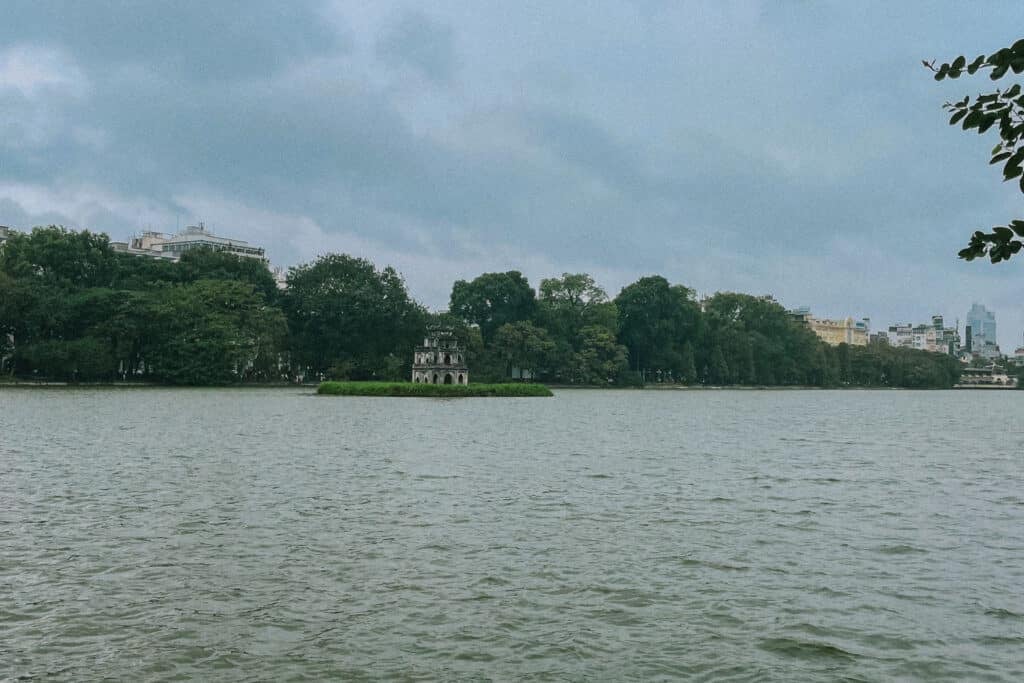
Hoan Kiem Lake & Dawn Tai Chi
At most times of day, Hoan Kiem is just a lake in the middle of the city. In the early hours of the morning though, it’s Hanoi’s communal living room. If you’re able to get there at dawn you’ll see tai chi groups practicing in sync, grandmas power-walking the perimeter, dance crews practicing choreo, couples doing synchronized stretches, and badminton games erupting out of nowhere. It’s chaotic and joyful and totally unique.
The loop around the lake is short and easy, making it perfect for a slow morning wander before the Old Quarter revs up. You can cross the red bridge to Ngoc Son Temple if you want the postcard picture, but honestly, I found the area’s real magic to be in watching daily life unfold. If you only see the lake at night with neon lights and crowds, you’re missing the best part.
👉🏽 If waking up before Hanoi fully comes alive sounds appealing, this early-morning open-jeep tour lets you experience the city at dawn before the traffic and crowds →
5. See the Famous Hanoi Train Street
Yes, it’s one of the most famous things to do in Hanoi famous. Yes, it’s chaotic. And yet… I weirdly loved it.
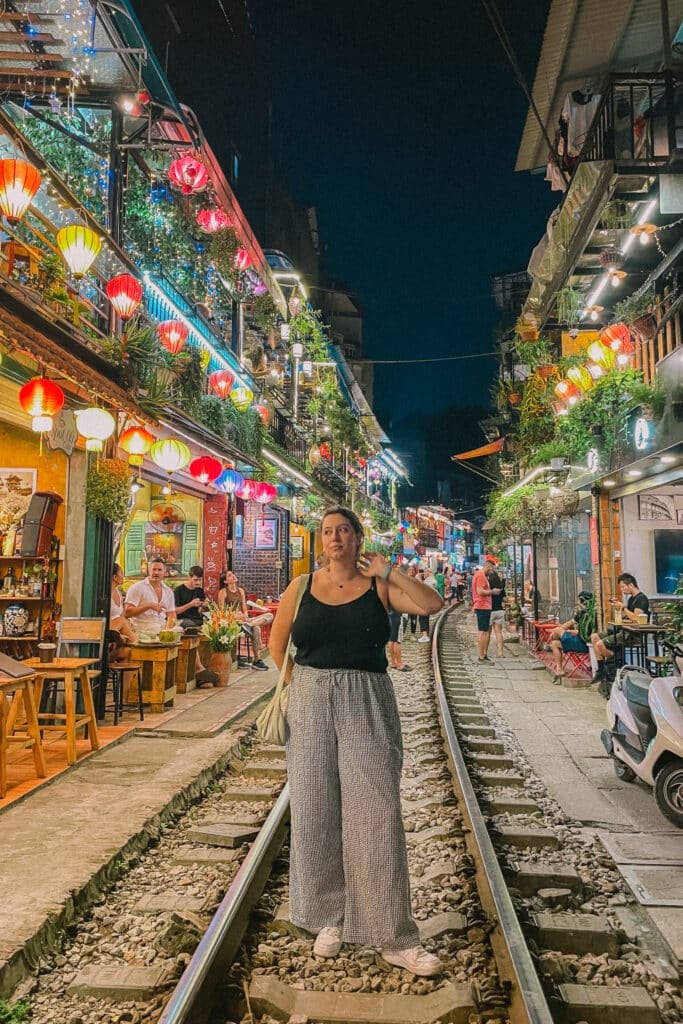
Train Street is exactly what it sounds like: a working railway line running inches from people’s homes and businesses. Cafés have been set up so close that if you sit at the front you could reach out and touch the train (PLEASE do not do this).
Access changes frequently and is sometimes restricted, but when it’s open the experience is quick and intense: locals usher you back away from the tracks, the train barrels through, and then life snaps back to normal in a way that makes you question if you’re the only one who saw anything.
Insider Tip
I think it helped my experience that it was kind of shockingly not crowded when we visited. If it had been, we probably would have come back another day. Lucky for you, as we were leaving, we spotted a slightly more chill section of the street a little farther up that I decided might even be preferable.
This isn’t a “linger for hours” stop. We came by after dinner, snapped a few pictures, sat for a pineapple juice at the first place we found that wasn’t too crowded, watched the train and then left. I honestly thought I would find the whole thing a waste of time, but it was cool!
Maximize Your Chance of Catching the Train with a Local Guide
Train Street access changes frequently, and figuring out when the train will actually pass can be tricky. This guided Old Quarter food tour with a Train Street stop takes care of the logistics so you can enjoy the moment without the guesswork.
6. Visit Hanoi’s Best Museums
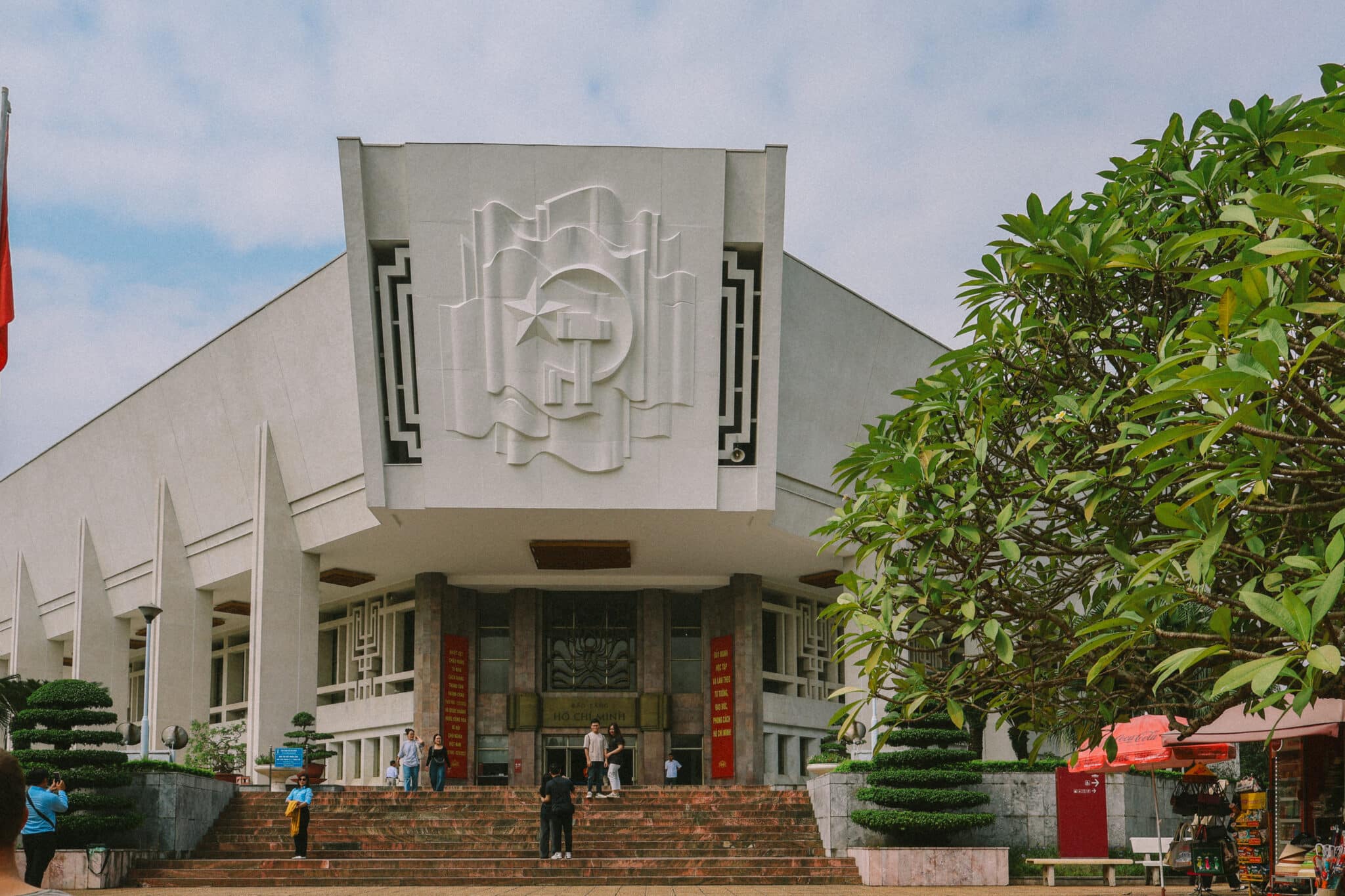
I feel like museums often get a bad rep as something either too basic or too touristy, and don’t get me wrong—some museums definitely can be. But honestly I will die on the hill that a well curated museum can literally elevate your whole trip. You just have to make sure it’s the right fit for you!
For example, I’ve almost never enjoyed any kind of natural history or science museum, but for some people that’s the best thing they can imagine doing! I like to visit museums that are a bit more targeted, often historically or politically focused, and not super old. I’ve noted here which ones are my top picks.
Here’s a quick look at some of the best museums in Hanoi, but if you want the full picture, check out my best museums in Hanoi post.
7. Explore Hanoi’s Best Markets
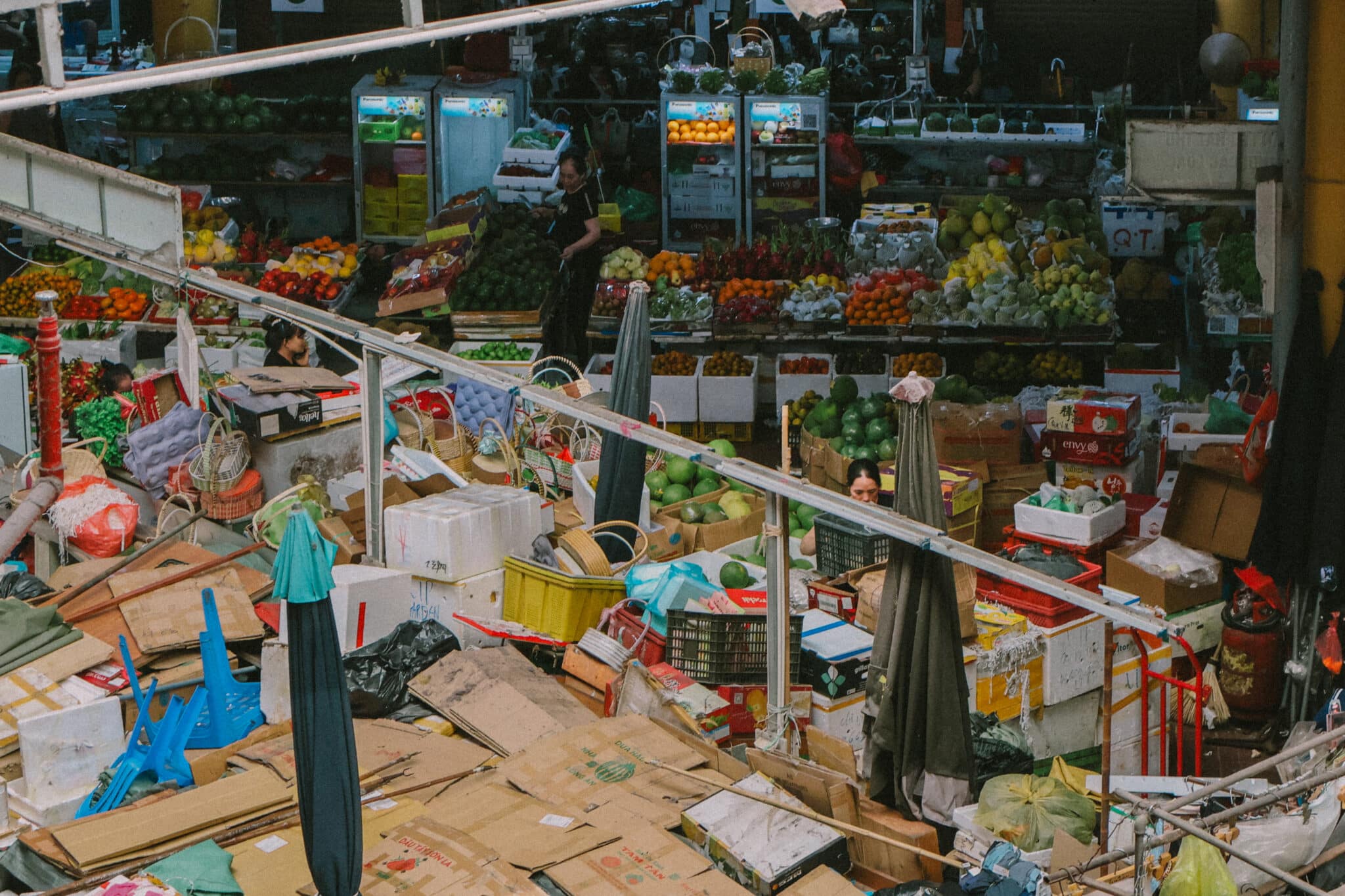
Listen, you know I love a market so this shouldn’t be surprising. In general my rule of thumb is that if you see a market, you should stop at it. And if you’re planning a trip, you should make time to stop at one. At least one. I think markets are one of the best and most authentic ways to see the buzz of daily life anywhere you visit. I wish I had been able to fit more into my itinerary, but here are the ones you should try to hit.
Know Before You Go
A lot of blogs will recommend that you haggle at markets, especially in Southeast Asia. I will not be telling you to do that. I cannot think of anything tackier than spending hundreds, if not thousands, of dollars to travel to a developing country just to haggle a few bucks off the price of something you do not need and can definitely afford the sticker cost of. Do not do this. Pay people what they’re asking of you, even if it’s more than a local would be charged. Be a good tourist.
Old Quarter Weekend Night Market
Every weekend, the stretch from Hang Dao Street up toward Dong Xuan Market turns into a full on night market. A lot of the stalls blur together: postcards, handicrafts, accessories, etc. I recommend coming for the plethora of street food because, to be honest, it’s a lot of the usual souvenir crap.
Beyond dinner, the real reason to come to the night market is the atmosphere and people watching. If you happen to be there during a holiday or festival you might catch a performance if you’re lucky.
Dong Xuan Market
The Dong Xuan Market is Hanoi’s largest indoor market and it’s about as no-frills as you can get. Housed in a big Soviet-era building on the north edge of the Old Quarter, it’s where locals actually shop.
The ground floor is a proper wet market (so wear close-toed shoes if you’re gonna go down there), while the upstairs is basically wholesale everything: printed tees, fabrics, school uniforms, luggage, random household goods… you get the vibe. This is very much the type of place you go purely to experience a slice of “local” Hanoi. But also don’t be shocked if you end taking home something random to remember the experience!
Shop a Local Market and Learn to Cook Vietnamese Food
If you want to experience Hanoi’s markets in a more hands-on way, this Vietnamese cooking class with a market tour starts with a guided visit to a local market to pick out fresh herbs, vegetables, and spices before heading to the kitchen. You’ll get:
Quang Ba Flower Market
If you’re willing to set an alarm and f*ck up your sleep schedule for a unique experience, this is allegedly one of the most atmospheric things to do in Hanoi. Early early early in the morning trucks roll in loaded with flowers from across country. Vendors build giant piles of roses, lilies, orchids, and lotuses under the bright lights, and the whole place means business.
It’s mostly wholesale for floral suppliers, but it’s open for anyone and everyone! It’s great people watching and fantastic for photography. Me personally, I literally cannot fathom waking up early like that… but you might!
Hang Da
Spread across three levels, Hang Da is a little more polished than your average local market. It’s kind of giving mall actually. You’ll find imported wines, good-quality fabrics, and most notably, racks of secondhand clothing that are sometimes genuinely worth digging through. A lot of it is imported from Japan, Korea, Europe, and the US, which means decent quality and a pretty good range of sizes.
Go in the morning if you can. It’s quieter, easier to browse, and you can pair it with a proper Vietnamese breakfast before the day ramps up.
Hom Market
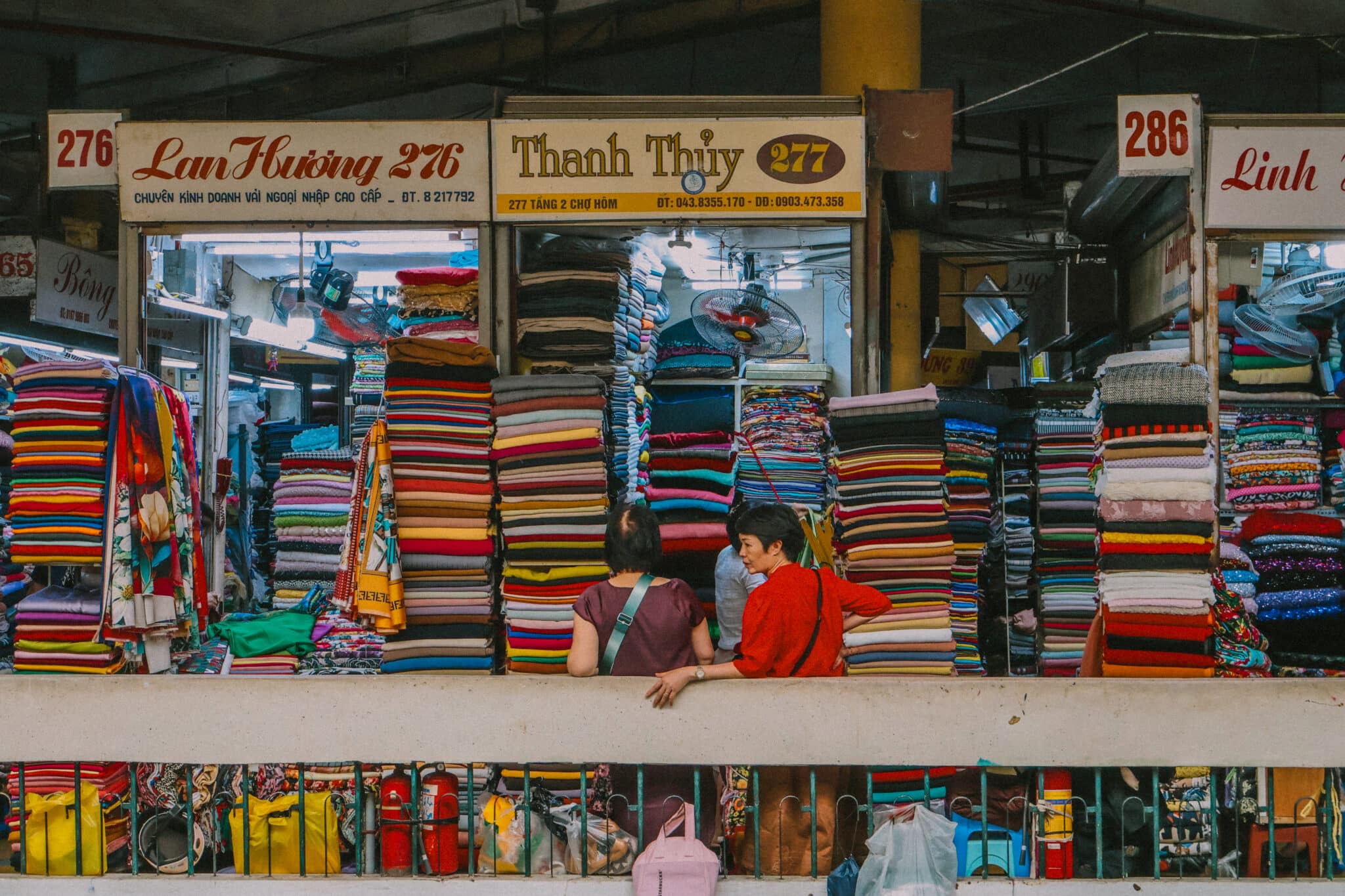
This is really only going to be appealing for those who really enjoy a niche experience, or anyone who likes to sew. Like so many of these markets, the ground floor is the wet market, but the upper levels are where things get interesting. Hundreds of small stalls are full of THOUSANDS of bolts of fabric.
It’s a literal maze up there and it’s so cool to walk through. We left with a full suitcase’s worth of fabric (yes, we sew in our free time!) but to be totally honest it was cool enough that I would have enjoyed it regardless.
8. Shop Hanoi’s Indie Stores, Vintage, and Local Designers
It’s really no secret that I absolutely love to shop while I’m traveling. In my opinion, spending money at a locally owned, independent shop is one of the best ways to benefit the people who live in the destination you’re visiting. Plus, you get some cool keepsakes, souvenirs and gifts out of it.
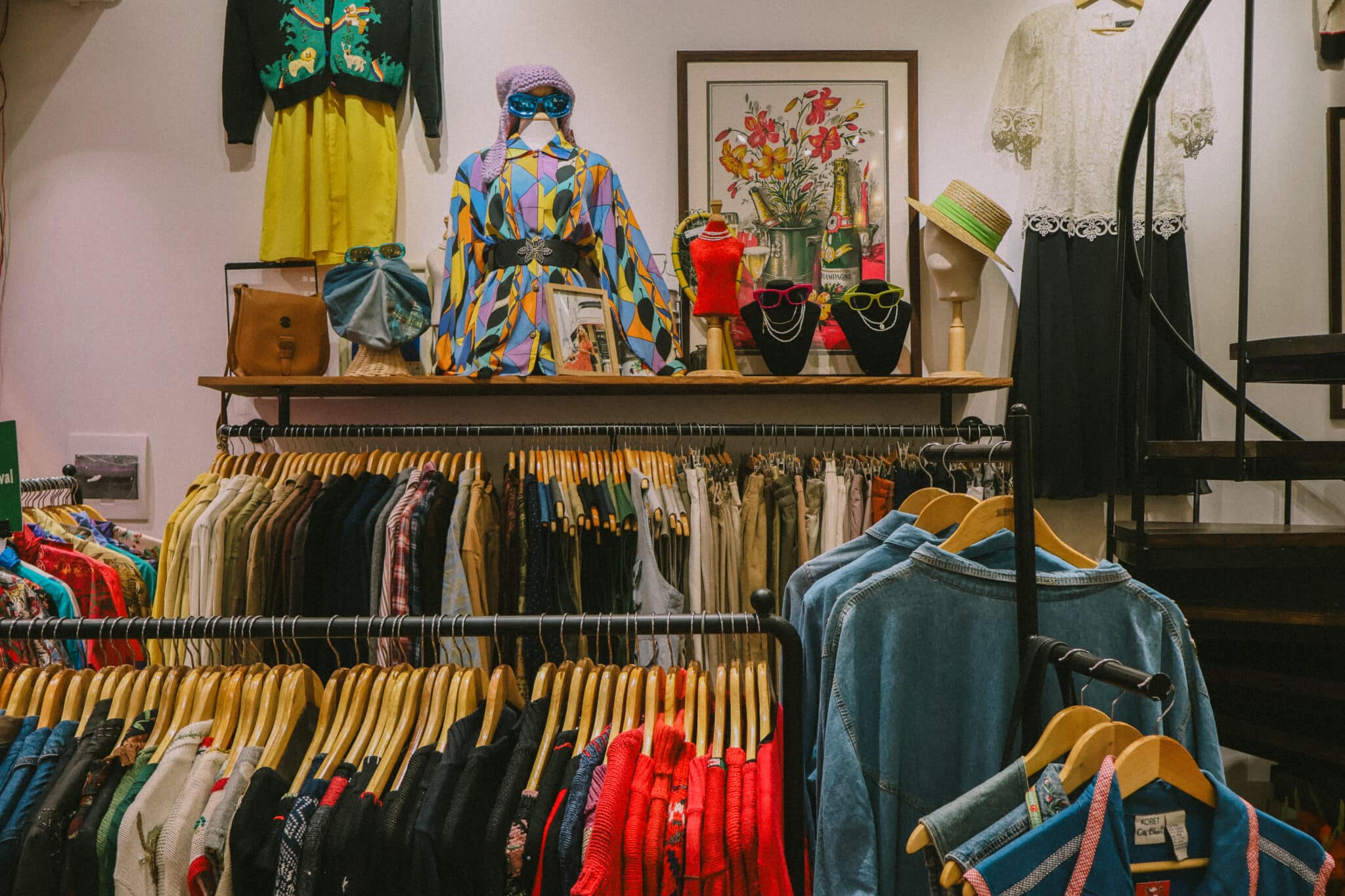
The three main categories for shopping in Hanoi (as far as I’m concerned) are vintage/thrifting, small businesses and artisans/makers, and markets (which are covered above!). I struggled a bit with the vintage in Vietnam only because it was so hot and humid that I really could not handle trying clothes on in that environment. Daniel got some cute things though!
Our favorite spots were Super Nasty Vintage, Vintage Stadium, and Chan Con Cong Vintage. As for independent shops, my absolute favorite was Collective Memory, where I found one of my now-signature perfumes.
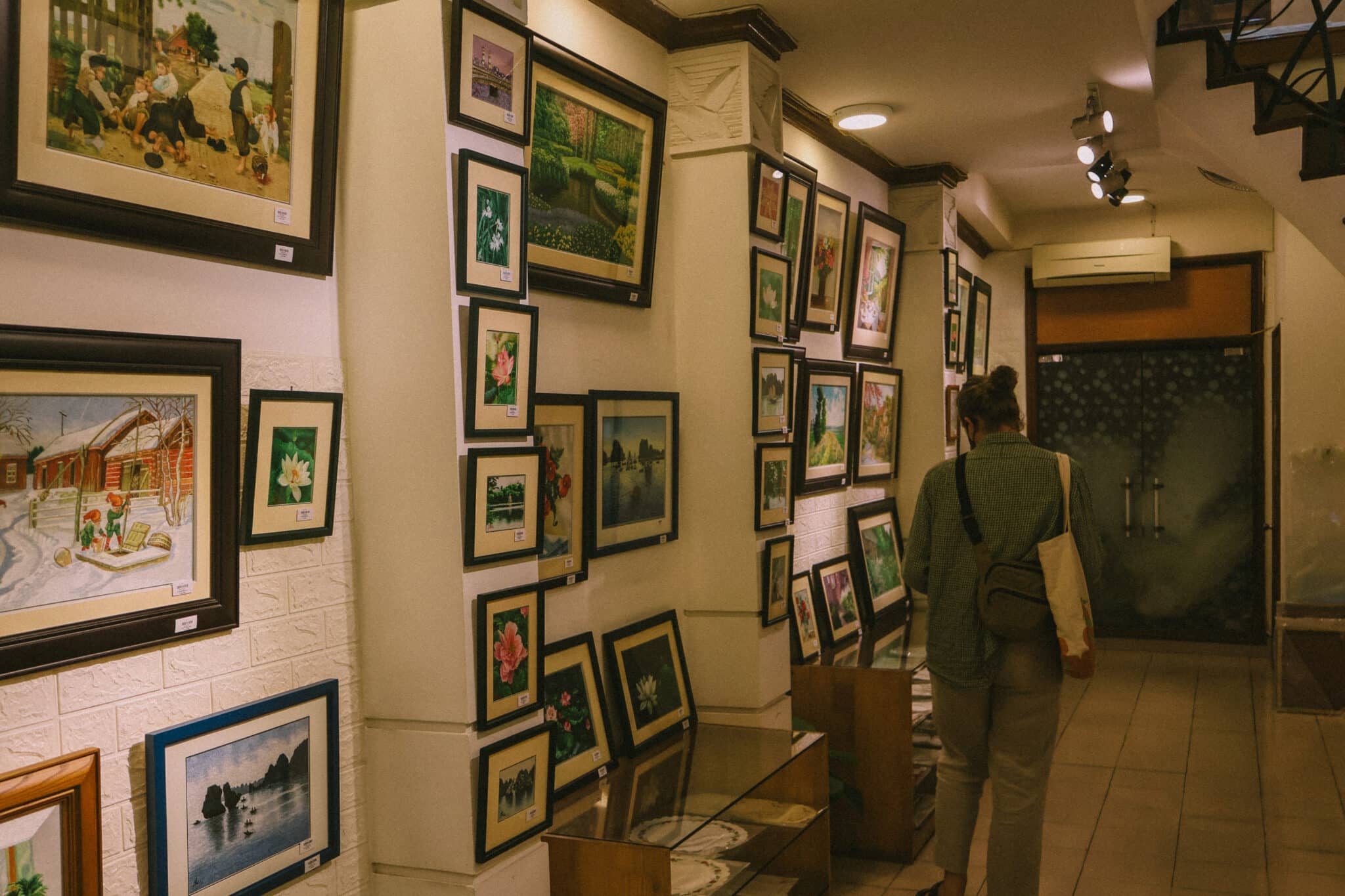
You can check out my full guide to shopping in Hanoi to see more of my faves, or buy my Hanoi Google Map if you want the full list of over 15 vintage shops we visited in Hanoi synced right with your own Google Maps app. (both coming soon)
9. Cycle West Lake, Grab a Drink and Watch the Sunset in Truc Bach
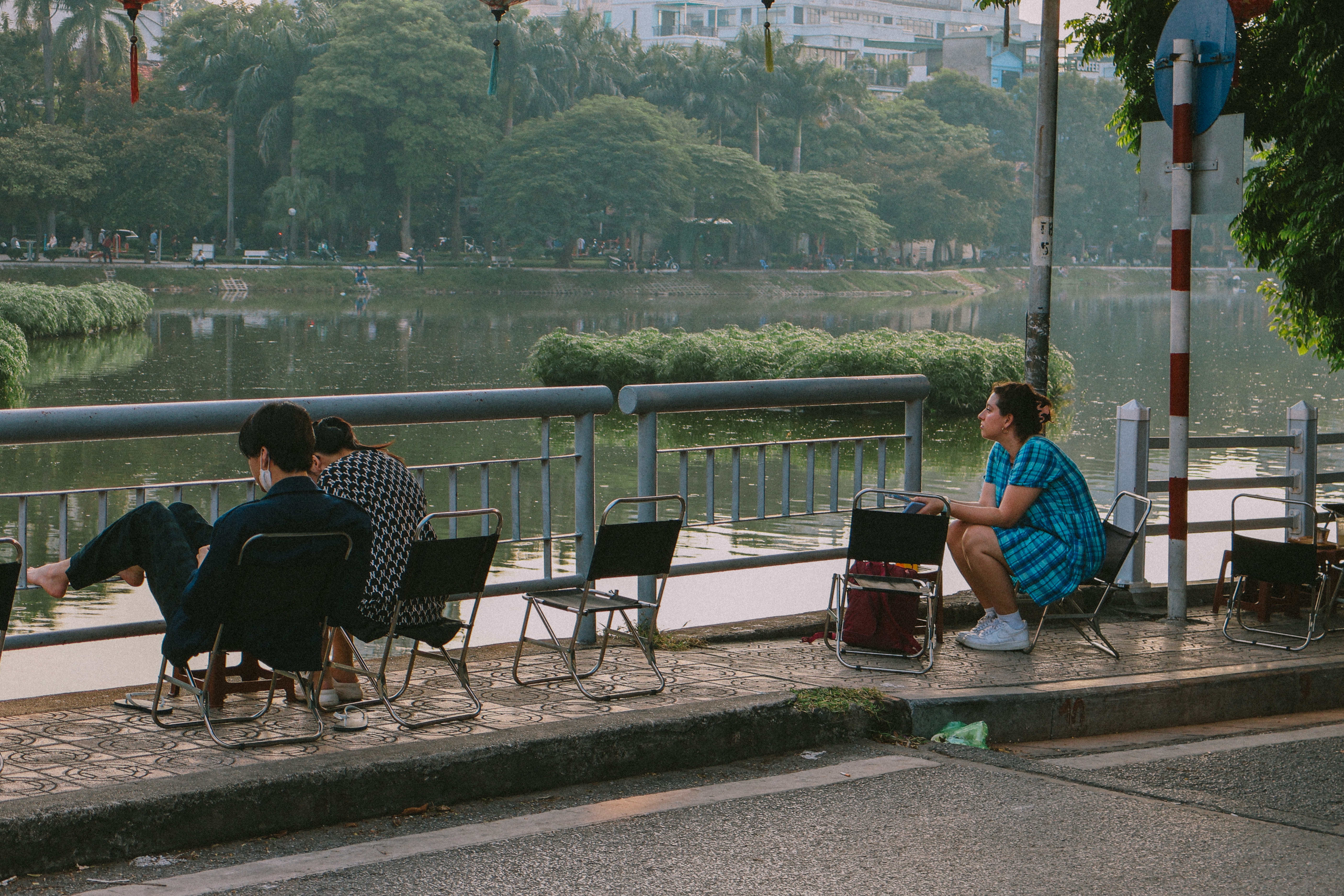
Despite the many things to do in Hanoi that will bring you to other parts of the city, there’s a high chance you’re going to spend a lot of your trip in the Old Quarter. If that ever ends up feeling like too much (which was absolutely the case for us!), West Lake is the perfect break from the city without ever leaving the city. The perimeter is long enough for a proper bike ride, but it’s flat and short enough to feel manageable for a half-day activity, even if you’re not an athlete.
If you do a loop starting from the southeast corner of the lake, you’ll finish up right at Truc Bach (my favorite part of Hanoi).
Insider Tip
Pair them together for a half-day reset: cycle West Lake, then wander Truc Bach for dinner and drinks.
10. Take a Day Trip from Hanoi
In a perfect world you’ll have all the time in the world to explore all that Vietnam has to offer, but in our imperfect world, you probably only have a few weeks. Here are some of the best spots near Hanoi to explore on a day trip!
Ha Long Bay / Lan Ha Bay / Bai Tu Long Bay
About 2.5 hours from Hanoi, Ha Long Bay—along with neighboring Lan Ha Bay and Bai Tu Long Bay—is one of the most iconic sights that will likely be part of any northern Vietnam itinerary.
You can visit Ha Long Bay as a (very long) day trip, but it’s much better with at least one night on the water. We did a two-night private cruise ourselves and absolutely loved waking up in the bay before the day boats arrived.
If you’re crowd-averse, Bai Tu Long tends to be quieter and feels a little more serene, and we even got our own private beach for the afternoon to swim and have a delicious BBQ lunch.

Know Before You Go
To visit Bai Tu Long, you will need to do an overnight, and I’d recommend two. On our first day we didn’t arrive in Bai Tu Long Bay until sunset, and it was our second day (the only “full” day of our cruise) that was most magical. After the 1-night cruises departed to return to the port, we had the bay mostly to ourselves until evening, when the next boats showed up again.
Choosing the right cruise for your Ha Long Bay trip can make or break the experience. There’s actually a lot to figure out—Lan Ha vs Bai Tu Long, boat types, how many nights, and what’s included. I’ve put together a full guide covering the different bays, cruise options, and how long you should stay, so make sure to check that out (coming soon)!
For the moment, though, here are a few of the most popular options:
Ninh Binh
About 1.5–2.5 hours south of Hanoi, Ninh Binh is another popular day trip from Hanoi. Here, instead of limestone karsts rising out of the water, you’ll see a similar landscape set against rice paddies instead.

There are plenty of interesting things to see around Ninh Binh, including misty views from the Mua viewpoint and the Bich Dong Pagoda, but our absolutely favorite thing to do was to a take a guided rowboat tour among the rice paddies. The guides, mostly older local women, paddle with their feet, which is an incredibly unique experience!
We stayed a few days ourselves and loved having the extra time, but if your schedule is tight, it’s absolutely doable as a long day—especially if you focus on one boat route and one viewpoint rather than trying to cram everything in.
For more about visiting Ninh Binh—including the best boat routes, viewpoints, and how to plan your time—check out my full guide (coming soon).
If you’re short on time, you can also visit Ninh Binh on a guided day trip from Hanoi. Here are some popular options:
Ba Vi National Park
About two hours west of Hanoi, Ba Vi National Park is a total change of scenery—cooler air, forested mountain roads, sweeping viewpoints, and some famous moss-covered French church ruins tucked into the trees.
We didn’t make it there ourselves, but it was high on Daniel’s list and we didn’t end up going only because something had to give from our wishlist!
If a little bit of nature is on your list, this guided eco tour looks like a great way to experience Ba Vi. It combines the park’s famous moss-covered French church ruins with time in the surrounding countryside, including visits to tea plantations and local farms where you can learn how tea is harvested and prepared.
Craft Villages
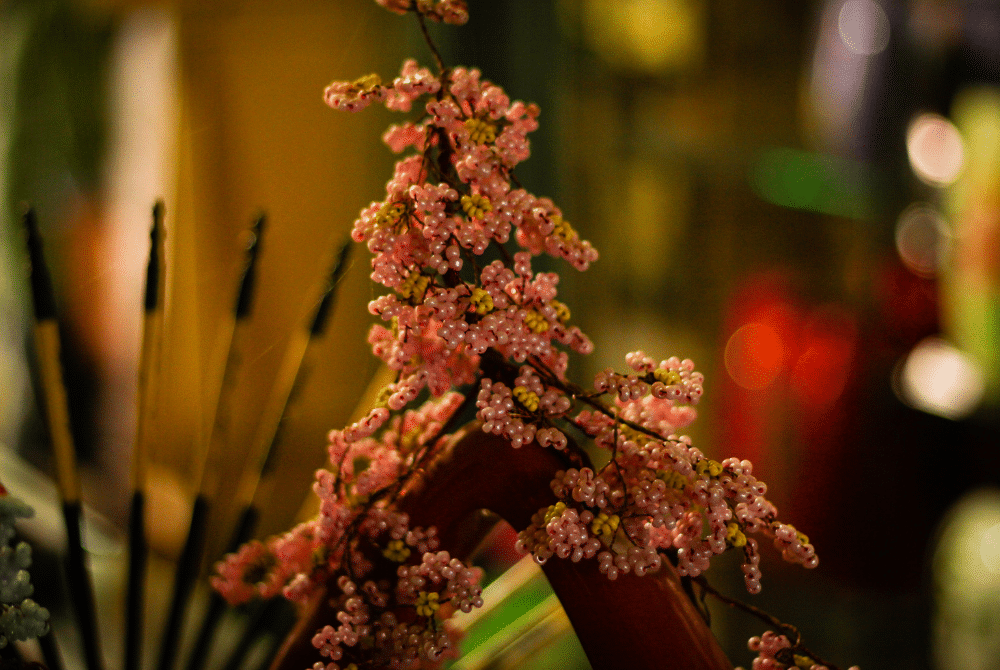
If you’re looking for something more traditional (and a little slower-paced) than central Hanoi, the nearby craft villages make easy half or full-day trips.
Bat Trang Pottery Village is the most popular. There you’ll find centuries-old ceramics workshops where you can browse, buy, or even try your hand at the wheel.
Meanwhile, Quang Phu Cau Incense Village is known for its vivid red incense bundles drying in neat, photogenic clusters. And Duong Lam Ancient Village offers a glimpse of traditional northern Vietnamese village life, with preserved heritage houses and quiet brick lanes that feel far removed from Hanoi’s scooter chaos.
Where to Stay in Hanoi
Hanoi has no shortage of places to stay, but where you base yourself can really shape your experience of the city. From atmospheric boutique hotels tucked into Old Quarter alleyways to sleek French Quarter stays on the other side of Hoan Kiem Lake, there’s something here for every travel style and budget.
Below are a few spots I’d personally recommend for a comfortable base while exploring the city. For more great places to stay in Hanoi, check out my full post about the best hotels in Hanoi!
RACHEL IRL FAVE
$$$ | Old Quarter | 5 Stars
Set back in a peaceful courtyard in Hanoi’s Old Quarter, Peridot Grand Luxury Boutique Hotel is one I can recommend from experience. We stayed here ourselves on two occasions, and it completely reset our expectations of boutique luxury in Hanoi. From the moment you step into the lobby—gleaming marble floors, dramatic chandeliers, intricate tilework—you feel not only wrapped in quiet glamour but taken care of by the five-star service and attention. Even the standard rooms are remarkably spacious, layered with rich woods, plush textiles, and pillows I wish I could have smuggled home. The rooftop bar and pool area is where the magic lingers, though: a shimmering pool, skyline views, and espresso martinis at golden hour were some of our favorite bits of our whole trip. If you’re looking for design-forward luxury in Hanoi where you can feel both pampered and perfectly positioned, I can’t recommend this hotel highly enough.
CHECK RATES & AVAILABILITY FOR YOUR DATES
Photo: Booking.com
RACHEL IRL FAVE
$$ | Old Quarter | 5 Stars
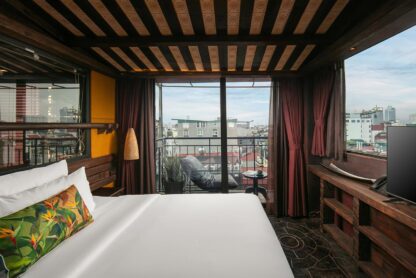
Kecho Legacy Hotel leans fully into boutique drama — carved wood details, lantern lighting, and rooms that feel inspired by old Hanoi rather than copied from a template. Recent guests agree that suites with wraparound windows are the move, giving you sweeping city views and all-day natural light. They also rave about the rooftop bar (multi-level and cocktail-worthy), the genuinely excellent spa, and standout service. Step outside and you’re straight into the Old Quarter buzz, but expect to return home each evening to warm, intimate, and atmospheric. If you want character with polish, this is one to shortlist.
CHECK RATES & AVAILABILITY FOR YOUR DATES
Photo: Booking.com
RACHEL IRL FAVE
$ | Old Quarter | 4 Stars
Casa Dos Príncipes leans into a moodier, more tailored aesthetic — deep-toned wall paneling, curated ceramics, brushed brass accents, and a subtle Indochine-meets–Art Deco sensibility that feels intimate and quietly sophisticated. For the value, it’s one of the most grown-up stays you’ll find in the Old Quarter. Guests consistently rave about the genuinely attentive staff, the peaceful side street location, and the impressive soundproofing that lets you sleep “like a baby” despite the city’s buzz. Just a short stroll to Hoan Kiem Lake, it delivers polish, personality, and heartfelt service in equal measure.
CHECK RATES & AVAILABILITY FOR YOUR DATES
Photo: Booking.com
When to Visit Hanoi:
Weather & Best Times to Go
Let’s get one thing out of the way first: Hanoi actually has real seasons. And depending on when you visit, the city can feel completely different.
Winters can be cool and misty, summers are hot and humid, and spring and autumn tend to be the sweet spots in between. Unlike much of Southeast Asia, Hanoi’s northern location means the weather shifts noticeably throughout the year—so timing your visit can make a big difference in how comfortable your trip feels.
That said, there’s truly no bad time to visit Hanoi, just a few months that are easier than others.
The Best Time to Visit Hanoi
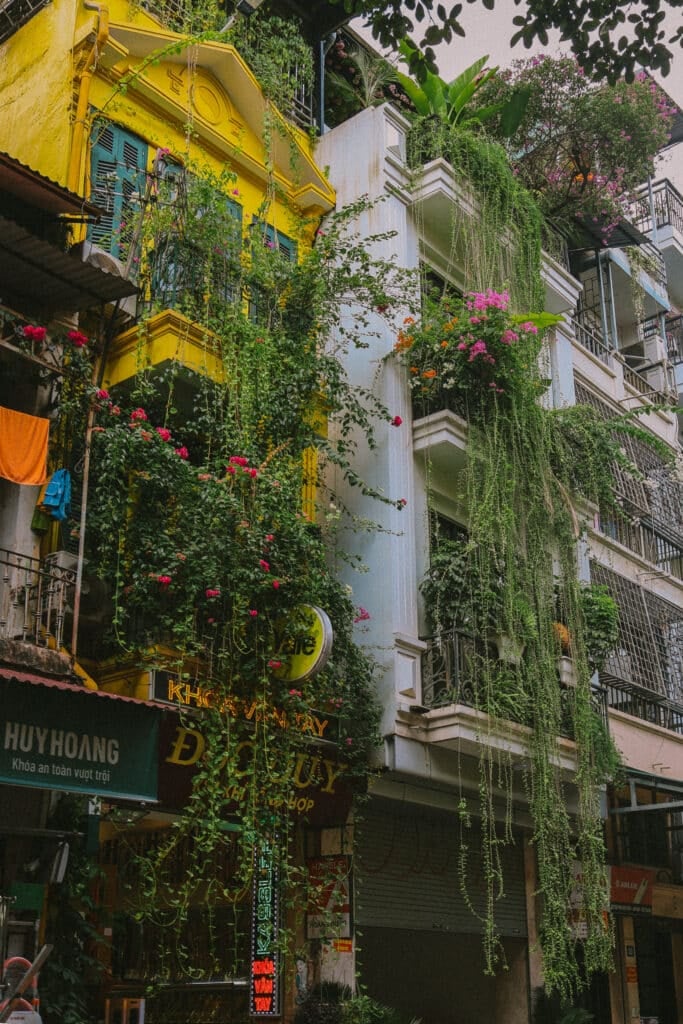
For most travelers, the best windows are March–April and October–November.
During these months, temperatures are generally warm without being oppressive, humidity is more manageable, and you’ll get plenty of pleasant days for wandering the Old Quarter or sitting lakeside with a coffee.
We visited in mid-November, which sits right in that autumn window—and we found the weather totally comfortable. Some evenings were downright balmy. One night at a sidewalk bun cha place, a few locals were very amused to see me sweating my ass off while they were all bundled up in puffer jackets and scarves. One guy even got up from his meal, turned out a fan, and pointed it at me because he could tell how much I was struggling… which I was exceptionally grateful for!
On the other hand, it was also chilly and rainy for several days of our trip. It was a bit disappointing at first, and we found ourselves asking, “what to do in Hanoi when the weather isn’t cooperating?!” But in the end, the rain made the city feel incredibly atmospheric (think fog over Hoan Kiem Lake and lots of cozy café stops).
One thing’s for sure: on these days, it was definitely not hot. This came as a bit of a surprise to us and we hadn’t packed for it, so hopefully you will be prepared!
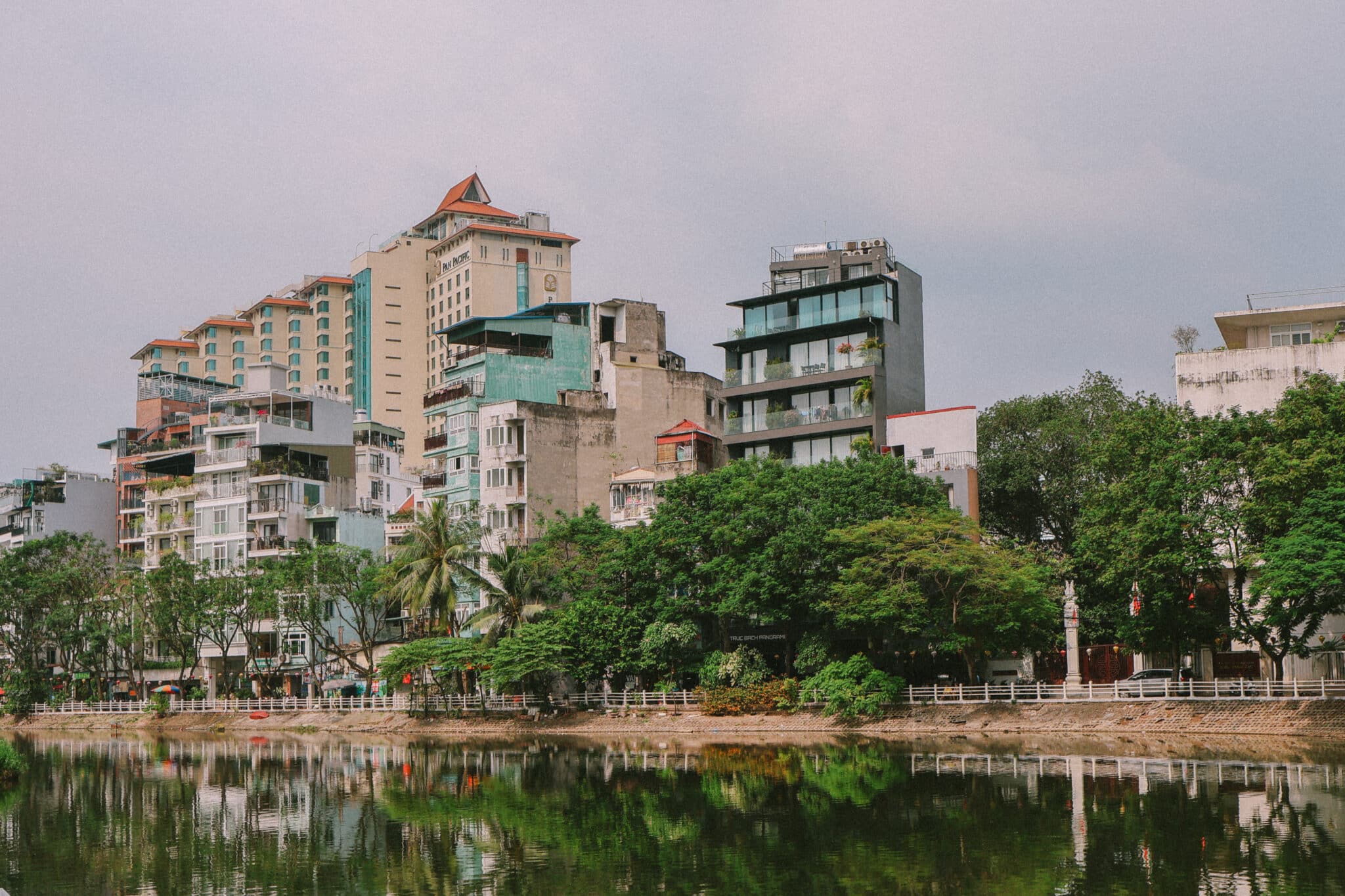
Summer (May–September)
Summer in Hanoi is hot, humid, and often stormy.
Daytime temperatures frequently climb into the low 30s °C (mid-80s to low-90s °F), and humidity can make it feel even warmer. This is also when the region gets much of its rainfall, usually in the form of short but intense afternoon storms.
The upside to this is that the city is lush and vibrant, and rain rarely lasts all day. If you’re comfortable with tropical heat—and plan plenty of iced coffee stops—you can still have a great visit to Hanoi in the summer months!
Winter (December–February)
Winter in Hanoi is cooler than many travelers expect.
Temperatures typically hover around 10–20°C (50–68°F), and while it rarely gets truly cold, the damp air can make it feel chillier than the thermometer suggests. You’ll also see more overcast skies and occasional drizzle… see my experience above for more of what to expect when the Hanoi weather gets temperamental.
That said, in winter you’ll be fighting fewer crowds and, tbh, I actually prefer Vietnamese food when it’s cold out. Pho is not really a hot weather dish in my book (although Hanoians don’t seem to think so!).
How to Plan Around Hanoi’s Weather
No matter when you visit, a few small adjustments can make your trip much more comfortable:
FAQs About Things to Do in Hanoi
Is Hanoi worth visiting for tourists?
Yes, Hanoi is absolutely worth visiting—especially if you love culture, street food, and cities with strong personality. Vietnam’s capital blends ancient temples, French colonial architecture, political history, and some of the best street food in Southeast Asia. It’s chaotic but fascinating, and rewards travelers who enjoy wandering, eating, and experiencing daily life up close.
Is 3 days in Hanoi too long?
No! In fact, 3 days in Hanoi is probably not enough for most travelers.
If you want time to explore the Old Quarter, visit major historical sites like the Temple of Literature and Ho Chi Minh Complex, try iconic dishes like bún chả and egg coffee, and enjoy slower moments around Hoàn Kiếm Lake or West Lake, you need a minimum of three days.
If you want to really enjoy all the best Hanoi hidden gems and get a feel for the city’s energy, I recommend more like five days.
What is Hanoi best known for?
Hanoi is best known for:
1. Its Old Quarter and 36 guild streets
2. Vietnamese street food (pho, bun cha, egg coffee)
3. Ho Chi Minh Mausoleum
4. The Temple of Literature
5. Coffee culture and bia hơi corners
6. More than any single landmark, though, Hanoi is known for its atmosphere—layered history and nonstop street energy.
What do you do in Hanoi?
The best things to do in Hanoi include exploring the Old Quarter, visiting historic landmarks like the Imperial Citadel and Temple of Literature, taking a street food tour, watching locals at Hoan Kiem Lake, and cycling around West Lake. Hanoi is a city best experienced slowly—walking, eating, and observing.
Free things to do in Hanoi?
Many of Hanoi’s best experiences are free: walking around Hoàn Kiếm Lake, exploring the Old Quarter, visiting markets, strolling West Lake, and watching sunrise exercise groups. You can easily experience the city’s atmosphere without spending much at all.
Planning Cheat Sheet: Every Link You Need in One Place
P.S. When you book using my links, you help support Rachel IRL at no extra cost to you. It’s a win-win!
Are you ready to explore things to do in Hanoi?
I hope that this post about things to do in Hanoi has been helpful in planning your trip to Vietnam! As I said before, Hanoi is literally teeming with food, culture, and history that, in my opinion, most people only scratch the surface of.
Plus, if you’ve been around here much before, you’ll know how much my perfect city exploration day revolves around one big activity (like a museum!!), a little (window) shopping, and a nice relaxing coffee/snack break. All of these wonder Hanoi hidden gems do the trick for creating your perfect day!!
If you have any feedback or want to share your experience with things to do in Hanoi, please leave me a comment!
As always you can always find me on Instagram (tag me in your travel content!), Youtube, or Pinterest.
Happy traveling!
Downloadable
Google Maps
Save time and explore like a local with my curated Google Maps. Get all my best recommendations, hidden gems, and tips in one easy-to-use guide—no note-taking required!

Liked this post? Pin it for later!